
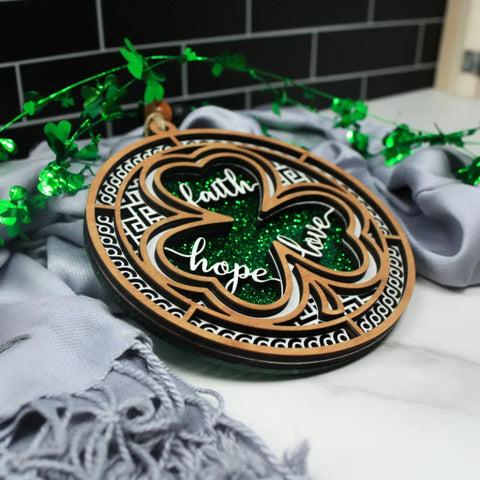
The Australian “Maker” movement is thriving. From the design studios of Surry Hills to local workshops in regional Queensland, bespoke craftsmanship is in high demand. For an Australian small business, alaser engraver is a high-speed production hub that transforms raw materials like native timbers, acrylic, and leather into high-margin, professional products.
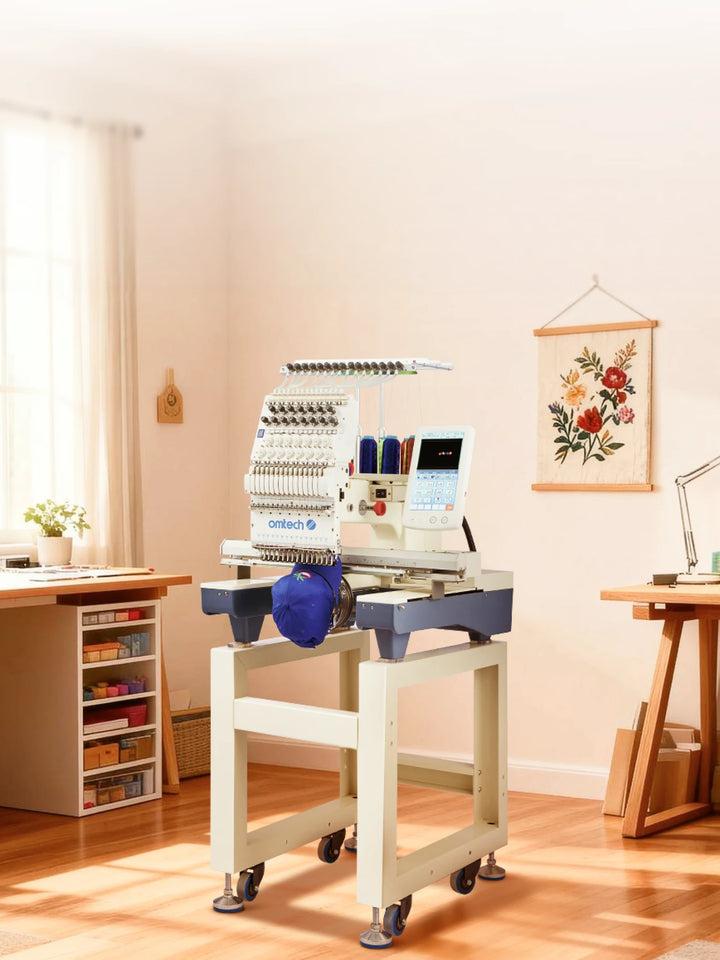
Whether you’ve just unboxed your OMTech laser or you’re scaling a home business, this is your roadmap to profitability in the Australian market.
Industry Solutions: Where the Australian Market is Growing
To build a sustainable business, you must move beyond “trinkets” and solve problems for high-value sectors. Here are the most profitable niches in Australia right now:
- Hospitality & B2B Branding: Local cafes and boutique bars are constantly seeking custom-branded wooden menus, QR code table signs, and coasters. B2B orders provide the repeat volume and “set-and-forget” workflow that home businesses need to scale.
- The Premium Event Industry: The Australian wedding and formal market is massive. Custom acrylic cake toppers, laser-cut “place cards” made of Jarrah or Blackwood, and engraved bridesmaids’ gifts carry a high premium.
Education & Technical Signage: Schools and VET (Vocational Education and Training) workshops often require durable, engraved tags for lockers, machinery safety, or industrial switchboards. Providing these compliant materials is a stable revenue stream.
Startup Guide: Your First 90 Days to Profit
Setting up a business involves more than just plugging in the machine. Follow this roadmap to go from first-time user to first sale.
Phase 1: Master the “Sweet Spot”
Don’t waste expensive Jarrah or premium Perspex. Use our Startup Parameter Matrix (below) to understand the relationship between speed and power.
- Pro Tip: Always run a 10-minute “Material Test” in LightBurn. Finding the perfect setting saves hours of manual sanding and prevents wasted stock.
Phase 2: The “Cardboard First” Rule
In business, time is money. Before cutting a 50-unit order in premium leather, prototype the design in upcycled corrugated cardboard. It allows you to check your tolerances and design errors for $0, ensuring your final production run is flawless.
Phase 3: Build Your Digital Asset Library
Use LightBurn’s Material Library to save your tested settings. This allows you to switch from engraving a leather wallet to cutting a shop sign in seconds, keeping your production line moving and your turnover rising.
Efficiency Chart: Starting Parameters for Aussie Makers
Baseline settings for the most popular “money-making” materials in Australia (optimised for 60W–80W CO2 lasers).
| Product Category | Material | Speed (mm/s) | Power (%) | Profit Potential |
| Boutique Signage | 3mm Coloured Acrylic | 12–18 | 65–75% | High (Low material cost) |
| Gifting/Home | Native Hardwoods (Jarrah/Oak) | 250–300 | 25–35% | Medium (Premium pricing) |
| Personal Accessories | Veg-Tan Leather | 300–350 | 18–25% | High (Etsy/Shopify niche) |
| Industrial/Tech | Anodised Aluminium | 150–200 | 20–30% | High (Repeat B2B orders) |
| Prototyping | Corrugated Cardboard | 40–50 | 35–45% | Essential (Cost-saving) |
Quality Control: The Professional Standard
To compete in the Australian market, “good enough” isn’t enough. Your customers expect “professional studio” quality finishes.
- The Clean Cut (Success): The edge should be smooth with zero “stepping.” On acrylic, the edge should look flame-polished.
- The Over-Burn (Fail): If you see heavy charring or “scorched” wood, your speed is too low. Increase speed by 10% to reduce the heat-affected zone.
The Incomplete Cut (Fail): If the piece doesn’t drop out cleanly, don’t force it. Lower your speed or check your lens focal height.
