
Your home usually gives you small warnings before a repair turns into a stressful and expensive problem. The trick is noticing those signs while they still seem minor. A little discoloration, a musty smell, or a damp corner can be easy to ignore when life gets busy. But simple home care habits can save you money, protect your belongings, and help you avoid bigger disruptions later. If you want your space to stay comfortable and dependable, paying attention early makes a real difference.
When leaks start
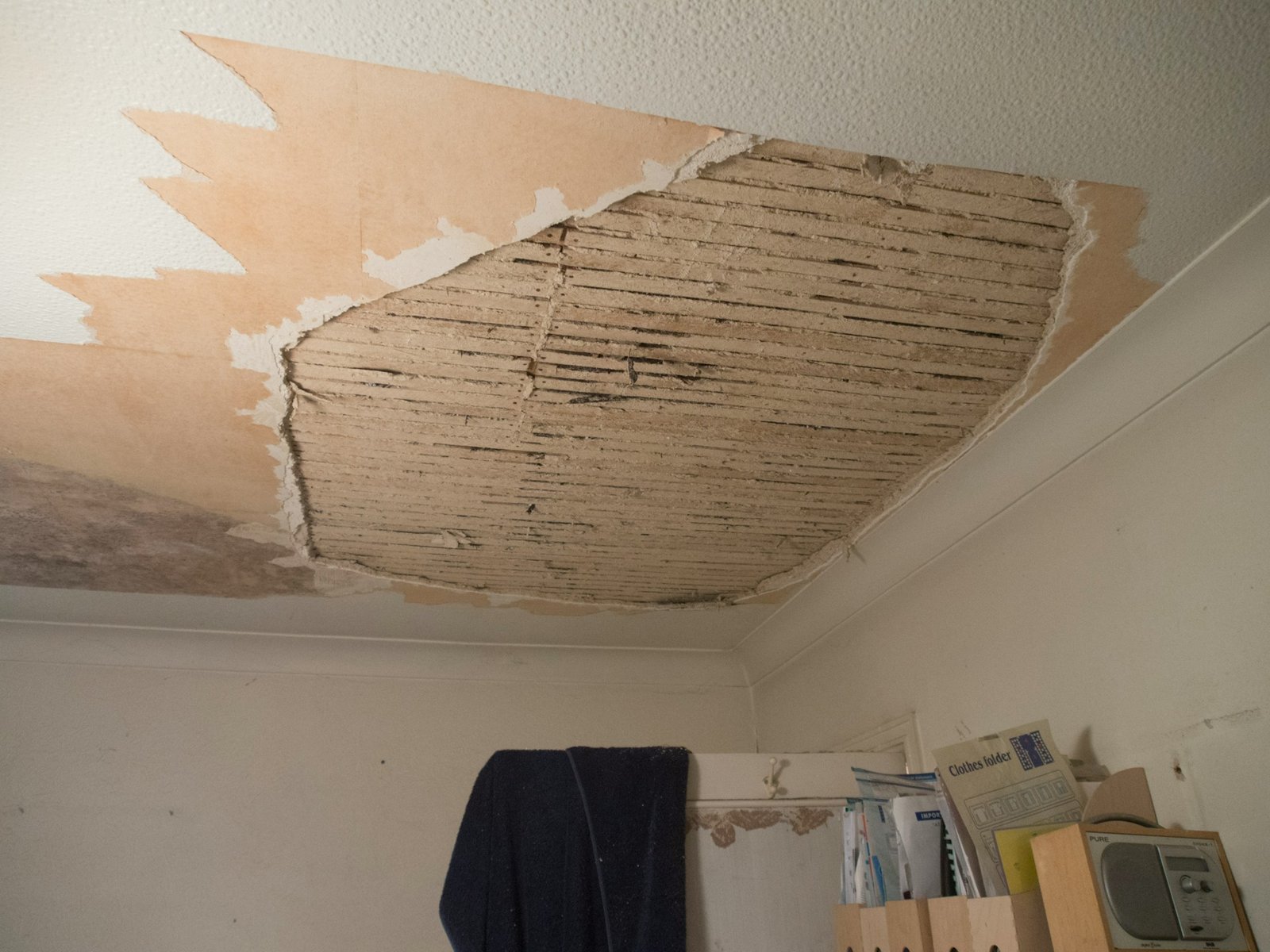
A small stain on the ceiling can seem harmless at first, but the roof is often where the problem begins. Water rarely stays in one place, and even a slow drip can spread into insulation, drywall, and wood before you realize how far it has traveled.
That kind of hidden moisture can lead to mold, damaged paint, warped surfaces, and higher repair costs. If you keep waiting, what starts as a minor issue can interfere with everyday life, especially when rain keeps coming and the damage keeps building.
In that moment, bringing in a professional roofer is the practical next step. You need someone who can identify the source, explain what is happening, and help stop the problem before it reaches other parts of your home.
Acting early also gives you more choices. You are more likely to manage the issue calmly, schedule work at a better time, and avoid the stress that comes with sudden interior damage.
Watch for warning signs
A lot of home problems start quietly. You might notice peeling paint near a window, a faint damp smell in an upstairs room, or a patch on the ceiling that looks slightly darker than the rest. These clues matter more than people think.
You may also see changes around trim, corners, or attic areas. Materials can swell, crack, or show uneven spots when moisture has been present for a while. Sometimes the sign is not visual at all. A room may simply feel stuffy or different after heavy rain.
The key is to pay attention to patterns. If something changes and stays that way, it is worth taking seriously. A stain that grows, bubbling paint that returns, or repeated moisture around one area usually points to a larger issue.
It helps to take photos when you first spot something unusual. That makes it easier to compare changes over time. If a problem is spreading, you will have a clearer sense of how fast it is moving and whether it needs immediate attention.
Check after storms
After strong wind or heavy rain, it is smart to do a careful walk around your home. You do not need a ladder or special tools. A simple ground-level check can tell you a lot if you know what to look for.
Start with the exterior walls, windows, and the area around entry points. Look for loose pieces, water marks, bent materials, or debris that seems out of place. If branches have fallen near the house, check whether they hit anything on the way down.
Then head inside and look at ceilings, upper corners, and closet walls. Storm-related moisture does not always appear right away, so it helps to check again the next day. If you have an attic or storage area above the main living space, a quick look there can also be useful.
Keep safety first. If you see sagging materials, active dripping, or anything that looks unstable, do not investigate too closely on your own. The goal is not to diagnose every detail. It is to spot enough early evidence to know when action is needed.
Protect your interiors
When moisture gets into a home, the visible damage is only part of the story. Ceilings can stain, but the bigger concern is often what happens underneath and around them. Soft drywall, damaged insulation, and weakened wood can affect comfort and air quality.
Your belongings are also at risk. Seasonal clothing, family photos, stored decorations, and furniture can all absorb moisture faster than you expect. Once that happens, cleanup becomes harder, and replacement costs can add up quickly.
This is why early response matters so much. If you catch a problem before water spreads, you have a better chance of protecting the rooms you use every day. Bedrooms, hallways, storage spaces, and even finished basements can stay in much better shape with quick attention.
Think of prevention as part of basic home care, not an extra task for another month. You are not just avoiding repairs. You are protecting the comfort of your space, the condition of your belongings, and the time you would otherwise spend dealing with avoidable damage.
Plan your seasonal routine
A simple seasonal routine makes home care feel manageable. You do not need a long checklist every weekend. You just need a few consistent habits throughout the year that help you notice changes before they become expensive surprises.
In spring, look for signs left behind by winter weather. In summer, pay attention after strong storms and periods of heavy heat. In the fall, clear buildup around drainage paths and check for anything blocked or loose. In winter, stay alert for moisture, drafts, and temperature-related changes indoors.
It also helps to schedule one deeper visual review every few months. Walk through upper-floor rooms, storage areas, and less-used corners. Open the door to spaces you usually ignore. Problems often start where people do not look very often.
Put reminders on your phone if that makes it easier. A steady routine is more useful than a perfect one. When small checks become part of your normal schedule, you are far more likely to catch issues while they are still easier to handle.
Know when to act
Some home issues can wait a week or two. Others should move to the top of your list right away. If you notice active dripping, spreading stains, a strong musty smell, sagging surfaces, or repeated moisture after rain, it is time to act.
The same goes for changes that keep coming back after you thought they were resolved. Fresh paint covering a stain does not solve the source. A room drying out for a day does not mean the problem is gone. Repeating signs usually mean something deeper is still happening.
Trust what you see. If a part of your home looks worse each time you check it, delay usually makes the outcome more expensive and more disruptive. Waiting often turns a manageable fix into a larger repair that affects multiple rooms.
The good news is that early action gives you more control. You can ask better questions, make steadier decisions, and protect your home before a small issue turns into a much bigger one. That alone makes regular attention worth the effort.
