
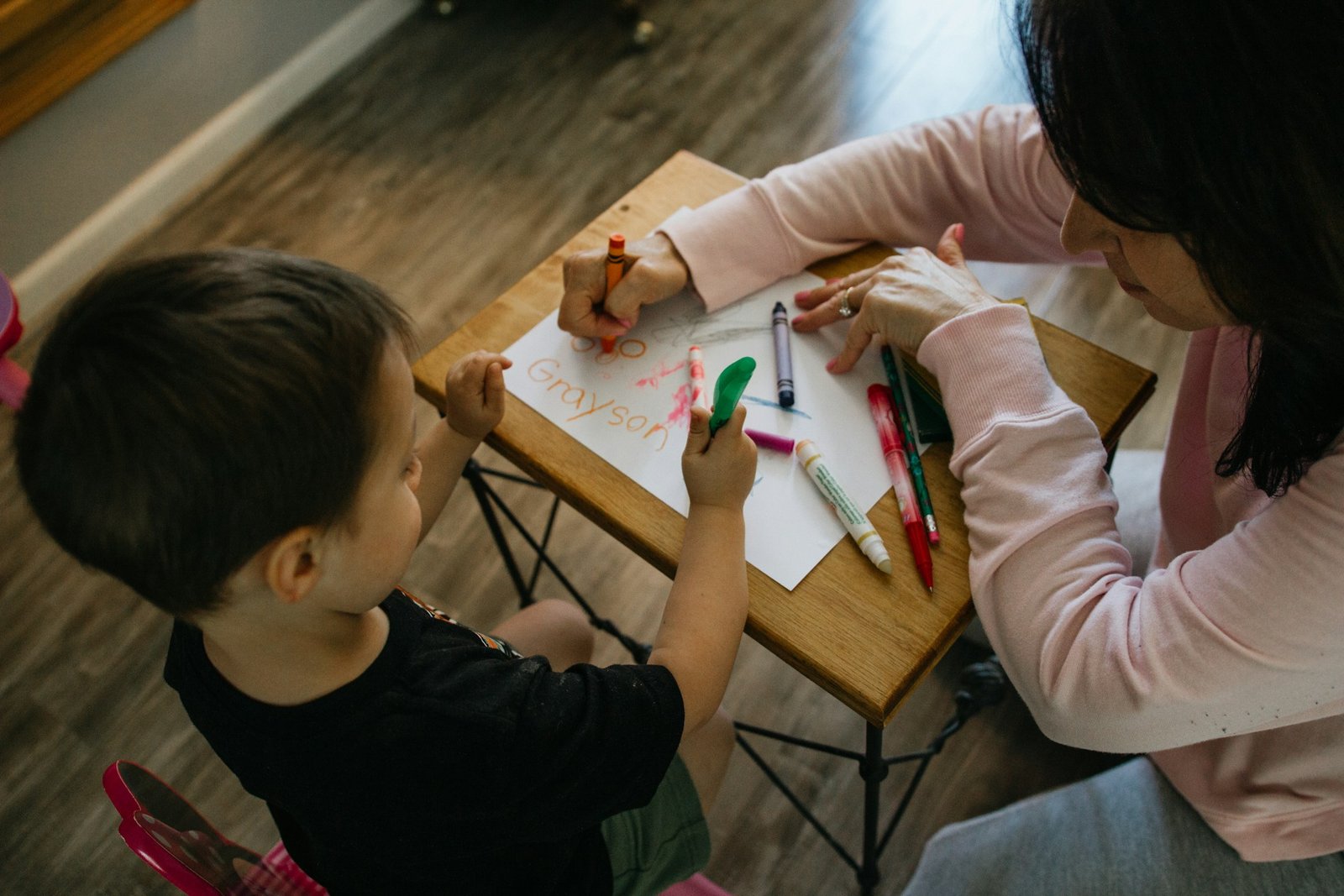
Ever noticed how kids seem like completely different people once the school bell rings? One minute they’re sitting quietly (allegedly) in a classroom, and the next they’re bursting with energy, ideas, and a surprising number of questions about snacks.
That window after 3 PM is more important than most people give it credit for. It’s not just about keeping kids busy until a parent finishes work. Turns out, those few hours can quietly shape who a child becomes.
The Hours That Actually Do the Heavy Lifting
Here’s the thing. School teaches maths, spelling, and how to line up in single file. But resilience? Character? Those tend to grow in the messier moments, the ones without a strict lesson plan.
Picture this: a group of kids trying to build something out of cardboard and sticky tape. It collapses. Someone gets frustrated. Another kid suggests a fix. They try again. That right there is problem-solving, teamwork, and bouncing back from failure, all happening while they think they’re just mucking around.
The truth is, unstructured and semi-structured time gives children room to figure things out on their own. And that matters more than we sometimes admit.
What Resilience Really Looks Like in a 7-Year-Old
Resilience sounds like a grown-up word. Something you’d see on a motivational poster in an office. But for kids, it’s smaller and more everyday than that.
It’s finishing a puzzle that keeps beating them. It’s making a new friend after their best mate moved schools. It’s losing a game and not throwing the board across the room (progress, honestly).
These little wins add up. Each one teaches a child that hard things can be handled, that discomfort isn’t the end of the world, and that trying again is usually worth it.
The other day someone pointed out that kids don’t learn to cope by being protected from every setback. They learn by having safe, supported chances to struggle a bit and come out the other side. Which is kind of the whole point of good after-school care.
Play Is Sneakier Than It Looks
Play gets a bad rap sometimes, like it’s just filler between the “real” learning. But watch closely and you’ll see negotiation, creativity, patience, and leadership all bubbling away underneath.
Kids sorting out the rules of a made-up game are practising fairness. Kids taking turns are learning to wait, which, let’s be honest, some adults still haven’t nailed.
Why the Right Environment Matters
Not all after-school time is created equal. A child parked in front of a screen for three hours isn’t getting the same thing as one who’s outside, making stuff, chatting, and occasionally negotiating who gets the good scissors.
Good outside school hours care centres understand this. They mix free play with activities, quiet time with loud time, and give kids the freedom to explore while still feeling looked after. That balance is where the magic tends to happen.
The staff matter too. A caring adult who notices when a kid’s having a rough day, or who gently nudges a shy child to join in, can make a real difference. Sometimes more than they’ll ever know.
The Long Game
None of this shows up on a report card. You won’t get a grade for “handled disappointment well” or “shared the last biscuit without being asked.”
But these are the things that stick. The confidence, the grit, the ability to get along with all sorts of people. Kids carry that stuff into adulthood, long after they’ve forgotten their times tables.
So the next time 3 PM rolls around, maybe think of it less as the end of the school day and more as the start of the good bit.
