
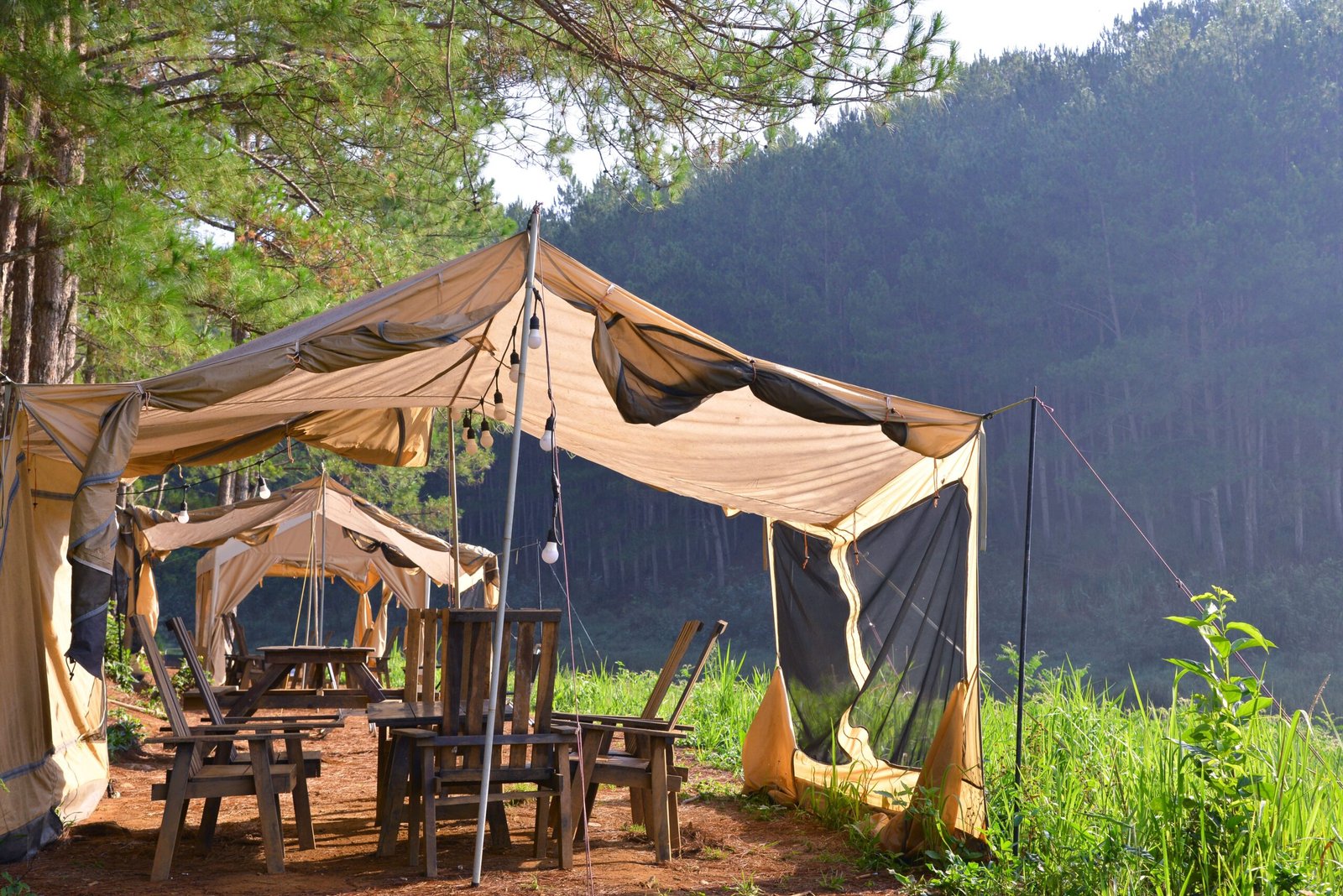
If you want a shelter that can handle rough weather, longer trips, and more gear than a tiny dome tent ever could, a wall tent deserves a serious look. You see them at hunting camps, off-grid setups, and backcountry base camps for good reason. They offer space, stability, and comfort in a way that feels practical, not flashy. Picking the right one, though, takes more than guessing based on size alone.
Know what you’ll actually use the tent for
Before you compare canvas weights or frame styles, get honest about how you plan to use the tent. A weekend hunting trip has very different demands than a full season at a semi-permanent camp. If you need room for cots, a stove, storage bins, and two muddy people who refuse to travel light, your space needs add up fast.
Think about trip length, climate, and how often you’ll move the tent. If you’re packing in and setting up often, weight and simplicity matter. If the tent will stay in one spot for weeks, durability jumps higher on the list. A family camp setup may prioritize comfort and standing room, while a hunting camp may focus more on weather protection and gear storage. Function first. Regret later is an expensive hobby.
Understand canvas quality and weather performance
Material quality affects comfort, lifespan, and how much maintenance your tent will need. Most wall tents use treated canvas, often cotton or a cotton-blend fabric, designed for breathability and protection. Breathability matters more than many first-time buyers expect. It helps reduce condensation, which can make chilly mornings feel even less friendly.
Look at fabric weight, water resistance, mildew resistance, and seam construction. Heavy-duty canvas usually performs better in hard weather and extended use, though it also adds weight. Reinforced corners, strong zippers, and reliable stitching aren’t glamorous features, but they’re the details that hold up under stress. If you’re comparing options from Wall Tent Shop, pay attention to how each tent is built for specific field conditions. A tent that works for summer recreation may not be the one you want in snow, wind, or sustained rain.
Pay close attention to size, layout, and headroom
A wall tent can look roomy on paper and still feel cramped once your gear moves in. Floor dimensions matter, but layout matters just as much. A 10×12 tent may work well for one or two people, while larger groups usually need more breathing room, especially if you’re adding a wood stove or table.
Headroom is a big selling point with wall tents, and it changes the whole experience. Being able to stand up while dressing, sorting gear, or cooking makes camp life much less chaotic. Consider where the door sits, how windows are placed, and whether the shape supports efficient use of interior space. You don’t want the tent version of bad apartment design. Think through sleeping areas, walkways, and stove clearance before you buy, not after your first cold night.
Choose the right frame and setup style
A wall tent is only as functional as the frame holding it up. You’ll usually choose between internal and external frame systems, and each comes with trade-offs. Internal frames can make setup straightforward and keep the footprint compact. External frames may offer a bit more interior flexibility and can feel sturdier in some long-term setups.
You should also think about whether you want a full frame kit or a model that works with locally sourced poles. That choice can affect transport, cost, and convenience. If you’ll be driving to camp, a heavier frame may be no issue. If you need efficiency and repeat setup, simpler systems can save time and frustration. Check setup instructions before buying. A tent that looks rugged but takes forever to assemble can turn your arrival day into a character-building exercise you never asked for.
Plan for stove use, ventilation, and cold-weather comfort
One of the biggest advantages of a wall tent is the ability to use a wood stove safely when the tent is designed for it. If you camp in late fall, hunt in colder regions, or spend long stretches off-grid, stove compatibility matters a lot. A stove jack, proper clearances, and dependable ventilation features are essential, not optional extras.
Ventilation affects comfort in every season. In cold weather, it helps manage moisture and keeps the interior from turning clammy. In warmer weather, windows and vents improve airflow and make the tent more livable. Think about bug screens, vent placement, and how easy it is to adjust openings during changing weather. Heating a tent sounds cozy because it is cozy, but only when airflow and safety are handled properly. A good setup should feel controlled and usable, not like improvising with smoke and optimism.
Factor in transport, maintenance, and long-term value
A wall tent is an investment, so look beyond the purchase price. Consider how it packs, how much vehicle space it needs, and how you’ll store it between trips. Wet canvas can’t just be shoved into a corner and forgotten unless you enjoy mildew, disappointment, and replacing expensive gear sooner than necessary.
Maintenance is part of ownership. You’ll need to dry the tent fully, clean it carefully, and occasionally retreat or inspect it depending on use. These tents often cost more upfront than standard camping shelters, but they can deliver better durability and comfort over time. If you use your gear regularly, value comes from lifespan and performance, not just sticker price. A well-chosen wall tent can support hunting camps, family trips, and off-grid living plans for years, which makes smart buying feel a lot less like spending and a lot more like setting yourself up properly.
Make your final choice based on real conditions, not wishful thinking
The best wall tent for you is the one that matches how you actually camp, hunt, or live outdoors. It should fit your climate, group size, transport setup, and tolerance for maintenance. A massive tent with every feature sounds great until you have to haul it, pitch it, and heat it. On the other hand, going too small or too light can leave you cold, cramped, and irritated.
Read specifications carefully, compare features that affect daily use, and picture your setup in real conditions. Mud, snow, wet boots, firewood, and gear clutter have a way of exposing weak planning very quickly. A good wall tent creates a reliable base camp, not an ongoing problem to manage. If you choose with practical needs in mind, you’ll end up with a shelter that works hard, lasts well, and makes outdoor living far more comfortable.
