
Starting crochet, sewing or beadwork does not require a cupboard full of supplies.
Quick summary: 1) Choose one small project. 2) Check what you can reuse. 3) Buy only the missing materials in the correct sizes. 4) Finish the project before buying extras.
Choose a project before buying supplies
A coaster, felt bookmark or simple bracelet gives you a clear materials list and a finish line. Read the whole tutorial before shopping: some beginner projects still require specialist tools. Choose one that fits your available time and uses techniques you can learn from the instructions.
Look through your drawers for yarn, fabric scraps, buttons and ribbon. Borrow tools where possible, but check that substitutions suit the project. Yarn weight affects crochet results, while bead holes must accommodate your chosen cord.
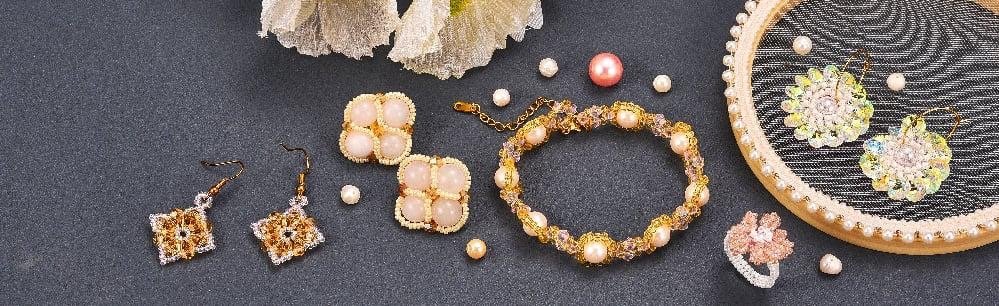
Keep your starter supplies simple
These examples show what to check before ordering. Follow your chosen pattern and product labels; the specifications below are starting points, not universal requirements.
| Hobby | Start with | Leave for later |
|---|---|---|
| Crochet | Pattern-matched yarn and hook, scissors, yarn needle | Full hook sets and speciality yarns |
| Felt crafts | Felt, needle, thread, scissors, template | Large decoration packs and cutting tools |
| Beaded bracelets | Beads, compatible elastic, scissors, required finishing materials | Large tool sets and assorted bead collections |
| Paper crafts | Paper or card, scissors, suitable glue | Cutting machines and decorative punches |
The Craft Yarn Council classifies DK as light weight yarn and gives 4.5–5.5mm as a general crochet hook range. A particular pattern may differ, so check its gauge and instructions.
Compare the complete project cost
Set a limit that includes tools, materials, delivery and applicable taxes. Compare only the items you need. For example, a hypothetical £6 pack with 100 usable beads costs 6p per bead before delivery; if you use only 20, that purchase costs 30p per bead used. A large pack is worthwhile only when its contents have a purpose.
Compare a starter kit with the missing items on your list. Put optional extras aside until you have finished one project.
Buy materials you will actually use
PandaHall carries materials for several creative hobbies, from yarn and crochet hooks to scrapbooking paper, stamps and wholesale jewelry supplies. Start with the category your project needs: check yarn and hook sizes for crochet, or paper dimensions and pack contents for card making. You can explore another craft later without buying for all of them at once.
For jewellery projects, PandaHall lists 6mm glass pearl beads with a stated 1mm hole. This is the kind of detail to check when comparing wholesale jewelry beads: bead diameter affects the design, while hole diameter affects threading. A 0.8mm elastic cord is nominally narrower, but test the fit before making several pieces; tolerances and repeated passes matter.
If you plan to make several gifts, wholesale beads from PandaHall are one option to compare against your required quantities. Apply the same approach to yarn or paper packs: calculate the full delivered cost and buy what you expect to use. Sharing suitable supplies with a friend can help keep leftovers manageable.
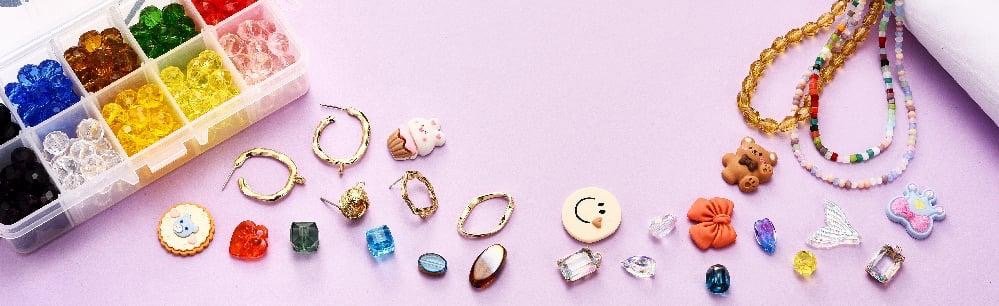
Practise and reuse before buying more
Follow one clear free tutorial or borrow a craft book from the library. Repeating a small project lets you practise with familiar supplies before investing in a course or more equipment.
Let leftovers guide your next idea: yarn can become a tassel, beads can decorate a bag charm and felt scraps can embellish a card. Store similar supplies together so you can see what is available. Let your collection grow as you discover what you enjoy making.
Frequently asked questions
Which creative hobby is cheapest to start?
The cheapest option usually starts with supplies you already own. Compare the complete materials lists for a paper card, felt bookmark or simple crochet project, including any missing tools and delivery.
Is a starter kit better value than separate supplies?
Choose a kit when you need its contents and the instructions suit your skill level. Buy separately when you already own the tools or need only a few materials. Compare total delivered costs, not just pack prices.
When should I buy craft materials in bulk?
Buy in bulk after testing the material and planning repeat use. Confirm dimensions, calculate the quantity needed and include delivery in the comparison. Share a pack only when both makers need the same specification.
