
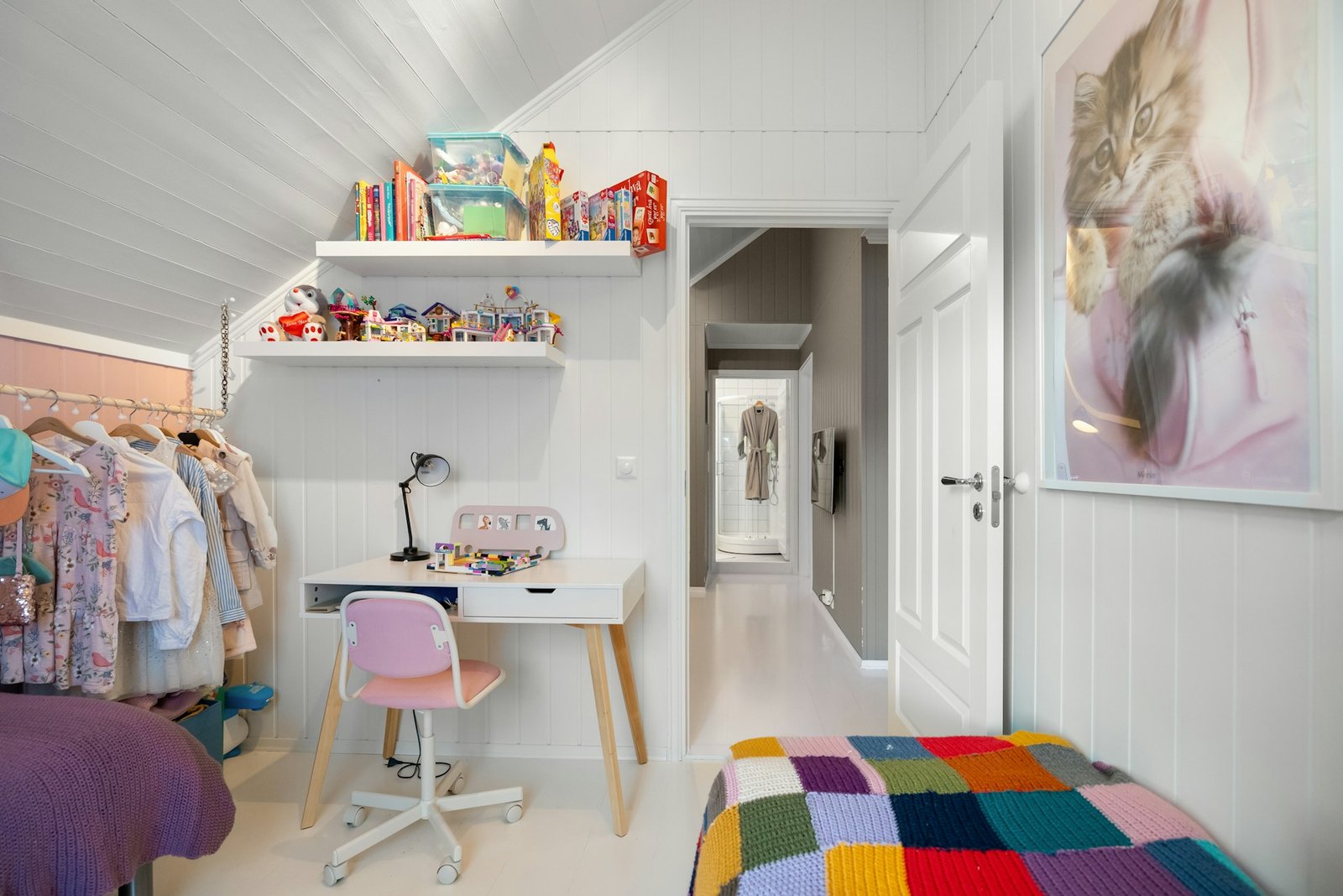
Parents really want to make their children’s bedroom look fun and playful with practical features that make everyday life easier. But it takes proper planning and energy to make a kids’ room appear to be both stylish and organised. As we all know, when children grow, their needs change. Because of this, you do have to consider redesigning their room. If you plan the room carefully from the beginning, it can prevent overspending and does not require frequent changes. In a child’s room, comfort is really important; select cosy furnishings, such as a kids’ upholstered bed frame, as they are modern and functional. In this article, we are going to share interior tips to achieve both style and functionality in the kids’ room.
Understand Your Child’s Daily Needs
It is recommended to design the bedroom according to your child’s needs. Anything else, such as furniture or paint, would be selected later.
In the early stages of the year, the bedroom is mainly a place for sleep and play. But when they grow, the room gradually becomes associated with other activities such as playing, reading, creative hobbies and much more.
These daily routines should be kept in mind before designing their room to support the other activities without any problem.
Choose Practical Multi-Purpose Furniture
It would be life-saving to invest in multi-functional furnishings for kids’ bedrooms as they can reduce the need for extra furniture units that take up most of the floor space and be the ones that can perform more than one task.
Below are some multi-functional furniture items:
- Beds with built-in storage
- Ottomans with hidden compartments
- Desks featuring shelving
- Wardrobes with integrated drawers
- Bedside tables offering additional storage
The main benefit is that it enhances organisation and helps to keep the kids’ room clean with a stylish appearance.
Balance Open Space with Storage
In the kids’ bedroom, there should be enough space to keep all their accessories such as toys, books, artwork, and clothes in a structured way without feeling too cramped.
This well-balanced layout of the room feels organised without appearing overcrowded and creates a relaxing environment for children.
Create Zones Within the Room
Even smaller bedrooms benefit from having clearly defined areas. Creating separate zones helps children understand how each part of the room is used.
Common zones include:
- Sleeping area
- Study corner
- Reading space
- Play area
- Storage section
This zoning system encourages better organisation without requiring physical partitions.
Create a Low-Maintenance Bedroom
It is wise to utilise easy-to-clean materials in the kids’ room, such as washable paint, easily wipeable furniture surfaces and hard-wearing materials.
Simple storage solutions are easy to use and will allow the kids to put their toys away and maintain cleanliness in the room.
In a low-maintenance bedroom, parents can include children to take part in keeping their room clean without any extra effort.
Design a Bedroom That Adapts as Children Grow
Children’s choices change as they grow. A common mistake that parents make is to create permanent and hard-to-remove decorations in their kids’ room. In the long run, it becomes difficult to replace them. With regard to this, utilise other accessories such as cushions, wall art, rugs, and curtains in the room for decoration, as they are easy to replace over time when tastes change.
Make Organisation Easy for Children
Generally, children will like to maintain organisation in their room when storage is simple to use. Imagine if the everyday items are placed on high shelves or inside complicated storage systems; children become frustrated with this difficult access. Because of this, their belongings should be within easy reach.
Below are some easy-to-access place ideas in the room:
- Labelled baskets
- Open shelving
- Colour-coded drawers
- Low storage units
Practical organisation encourages independence while reducing clutter.
Introduce Comfortable Textures
A secret tip to make a room more cosy is to use soft materials in the kids’ room rather than only hard furniture and bare floors. With regard to this, include elements like upholstered furniture, cosy rugs, knitted cushions, and layered bedding to create a plush, luxurious, comfortable environment for your children.
Encourage Independence Through Design
A functional room should help children manage everyday tasks themselves.
Arrange furniture so children can easily:
- Reach clothing
- Access books
- Put toys away
- Make their bed
- Choose outfits
Designing with independence in mind builds confidence and responsibility over time.
Create Display Areas for Personal Achievements
Children enjoy seeing their accomplishments displayed as they feel more confident and urged to achieve more rewards.
Select a corner in a room and decorate it by adding a small shelf, noticeboard, picture ledge, or pinboard. It does not take much space and looks decent in the room.
Keep updating the rewards to keep it fresh and allow children to celebrate new accomplishments as they grow. Rotating displays also prevents walls from becoming cluttered.
