
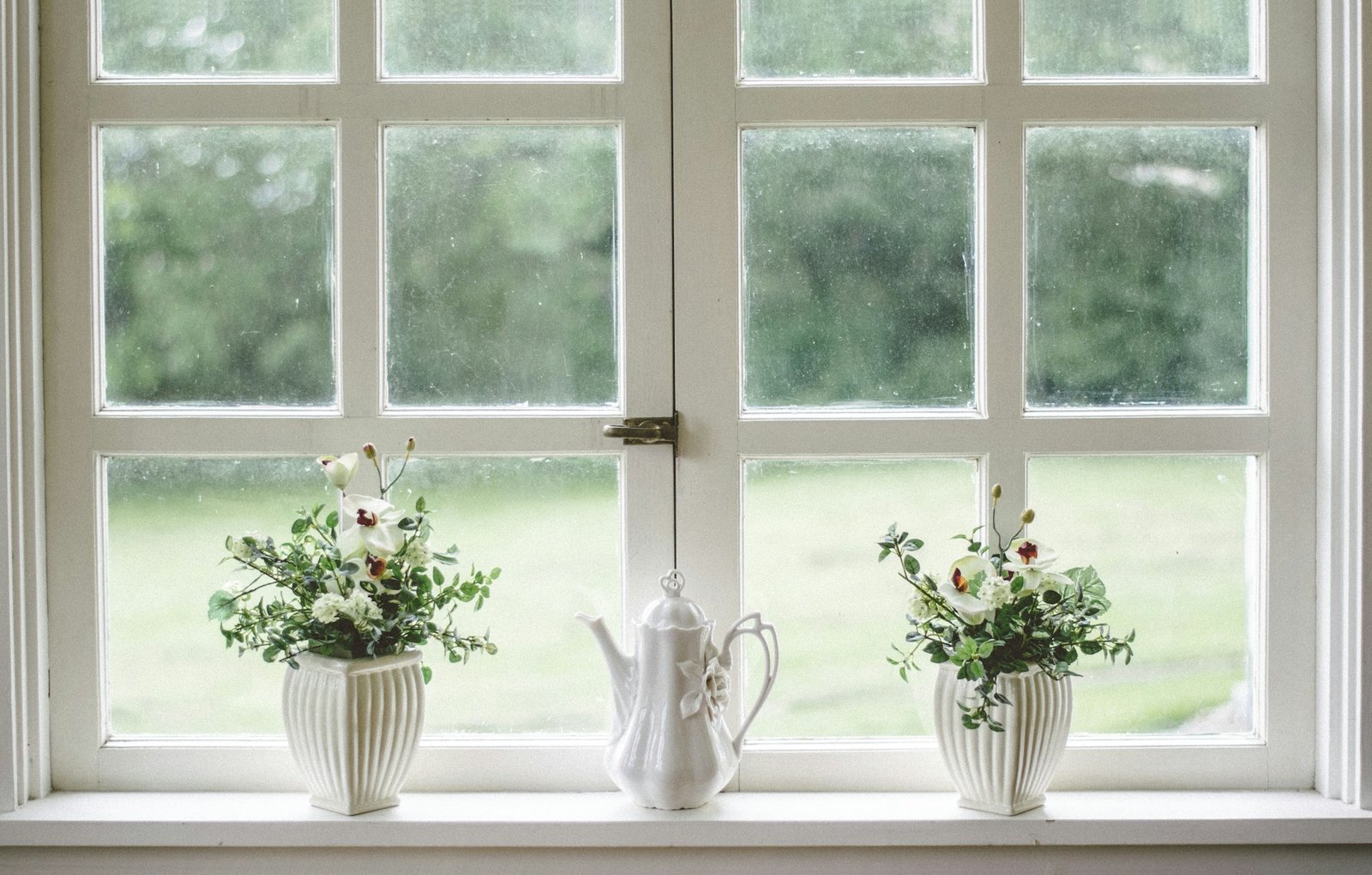
You probably don’t think about your windows every day, unless one sticks, rattles, or turns your living room into a tiny sauna by noon. Still, windows do a lot of quiet work. They help control light, comfort, noise, and even how your home feels when you walk in the door.
If yours have started acting more like drama queens than helpful house features, it may be time to look closer. Here’s how to tell when a window refresh makes real-life sense.
Why windows matter
Your windows do more than let you peek at the weather before committing to real pants. They help keep your home comfortable, bright, and a little more peaceful. When they’re working well, you barely notice them. When they’re not, you notice fast.
Old windows can let in drafts, trap heat, and make certain rooms feel off all day. They can also affect how hard your heating and cooling system has to work. When the same comfort problems keep returning season after season, a window replacement is the best solution to fix the underlying performance issue instead of patching the symptoms every year.
Windows also shape the mood of a room. Good natural light can make a space feel bigger and more cheerful. Poorly performing windows can make a home feel dim, noisy, or tired. That’s a lot of pressure for a pane of glass, but here we are.
Drafts and hot spots
One of the biggest clues is how your home feels from room to room. If the couch by the window is freezing in winter but the hallway feels fine, your windows may be part of the problem. The same goes for that one bedroom that turns into a toaster oven every afternoon.
You don’t need fancy equipment to notice this stuff. Stand near the window on a windy day. If you feel a little breeze when everything is shut, that’s a red flag. Pay attention to the curtains moving slightly when they shouldn’t. Notice whether your AC seems to run forever while some rooms still feel muggy.
These hot and cold spots often happen when seals wear down, or frames no longer fit tightly. Over time, that can make your home less comfortable and more expensive to maintain. If you’re constantly adjusting the thermostat like it’s a game show buzzer, your windows may be asking for help.
Stuck, foggy, or noisy
Windows should open without a wrestling match. If you have to shove, jiggle, or give a pep talk before one budges, something’s off. Sticking can come from swelling, warped frames, or old hardware that’s simply worn out. Besides being annoying, hard-to-open windows can also be a safety issue.
Fogging between panes is another sign people often ignore. If condensation is trapped inside the glass, that usually means the seal has failed. Once that happens, the window often loses some of its insulating ability, too. It’s not just ugly. It can affect comfort.
Then there’s noise. If every passing truck, barking dog, or neighborly leaf blower sounds like it’s right in your kitchen, your windows may not be blocking outside sound very well anymore. Add in cracked caulk, peeling frames, or soft wood around the edges, and the message gets clearer. At some point, your windows stop being charmingly old and start being plain worn out.
Style that feels dated
Sometimes the issue isn’t only function. It’s the way your home feels. Older windows can make a room look darker, heavier, or less inviting, especially if the frames are bulky, discolored, or designed in a style that no longer fits the rest of your space.
You might notice that even after you paint the walls, swap out decor, or declutter, the room still feels a little blah. Windows play a bigger visual role than most people expect. They frame your view, shape the light, and affect how fresh everything looks.
From the outside, outdated windows can also drag down curb appeal. That doesn’t mean you need a dramatic makeover worthy of a reality TV reveal. Small updates can make a home look cleaner and better cared for. If you’ve been making lifestyle-friendly home improvements, windows may be the missing piece that helps everything feel more finished and intentional.
Repair or replace
Not every window problem means full replacement. Sometimes a repair is enough. Fresh caulk, weatherstripping, or new hardware can solve smaller issues, especially if the windows are fairly new and the frames are still in good shape.
The tricky part is knowing when you’re just patching the same problem over and over. If you’ve repaired drafts more than once, dealt with repeated moisture issues, or have several windows showing the same wear, replacing them may be the smarter long-term move. The same goes for windows that are decades old and no longer perform the way modern ones do.
A simple way to think about it is this: if the fix is small, affordable, and likely to last, repair can make sense. If the problem keeps returning and your comfort is taking the hit, replacement often gives you better value. Nobody wants to keep paying for a bandage when the real issue is still sitting there, glassy-eyed.
Planning the project
If you think your home is ready for new windows, it helps to go in with a plan. Start by noting which rooms have the biggest problems. You may not need to tackle every window at once, especially if your budget prefers baby steps over giant leaps.
A few smart things to consider:
- Which windows get the most sun or wind
- Which ones are hardest to open or close
- Whether comfort, noise, or appearance is your main concern
- What timing works best for your household
It’s also helpful to ask questions before starting. How long will the installation take? What kind of disruption should you expect? Which window styles fit your home best? Clear answers make the whole process less stressful.
Good planning doesn’t make the project tiny, but it does make it feel manageable. And when your home feels brighter, quieter, and more comfortable afterward, you’ll probably wonder why you waited so long to give those hardworking windows their well-earned upgrade.
