

Disclosure: This article was written in partnership with moodytiger. It explores how layering and outdoor accessories shape the experience of a family day out with active children, drawing on real UK outdoor scenarios. Product details are verified against moodytiger’s published range before publication.
The great British day out has its own particular planning challenge. The forecast says partly cloudy and seventeen degrees. By the time the family arrives at the attraction, it is sunny enough that the morning layer is already unnecessary. By lunch the wind has picked up and the layer that was too warm at ten feels a little light at one. By mid-afternoon somebody has lost a hat and someone else is asking why there are no more snacks. The day is still good, but the clothing decisions made at seven in the morning are being tested in ways nobody predicted when they made them.
Active children on a day out rarely stand still long enough for any of this to stabilize. They are running between stops, climbing where permitted and occasionally where they probably should pause, and generating enough body heat through the morning to make the careful layer their parent chose feel like the wrong call within the first hour. Families that handle outdoor days with children tend to learn the same thing independently: useful clothing is more than the heaviest layer or the most weatherproof jacket. The better combination can be adjusted as the day changes, packs small when it is no longer needed, and lets the morning keep moving.
Why Layers Beat a Single Heavy Jacket Every Time
The temptation on a cool British morning is to put the child in the warmest available jacket and trust that it covers the day. This works for the first hour and fails for the rest of it. The child who was correctly dressed for the car park is too warm by the time the first trail section is finished, and the jacket that was the obvious choice at seven in the morning is now something to be managed, tied around a waist, handed to a parent, left on a bench that everyone has to go back and find. The day acquires a jacket subplot that nobody wanted.
The layering approach that actually works for a family outdoor day is built around three questions. What does the child need for the first thirty minutes before they warm up? What does the child need once they are in full motion? And what do they need when the wind comes from nowhere at the viewpoint and everyone wants to stop for ten minutes? These are three different requirements, and the family that answers them with three separate light pieces has a more functional outdoor day than the family that tried to answer all three with a single heavy jacket and spent the morning managing it.
The Accessory That Does More Than It Looks Like It Does
Hats and visors are the outdoor accessory that most families treat as an afterthought until the sun appears. On a British summer day, or a British spring day, or occasionally a British autumn day, the sun can be significant enough to matter even when the temperature does not feel like a UV concern. A bright April morning with a cool breeze does not feel like a high-UV situation. The UV index can tell a different story, which is why hats, shade, sunscreen, and UPF-rated accessories can all matter even when the air feels cool.
The moodytiger 3D Foldable Visor handles the sun protection role without the common hat frustrations many families have encountered. The pocket-sized foldable brim rolls compactly into a bag or pocket, which means it is more likely to be there when the sun appears rather than left in the car because nobody wanted to carry it during the cloudy section of the morning. The UPF 50+ sun coverage can add another useful layer alongside sunscreen, shade, and regular sun protection habits. The seamless one-piece design is made to sit smoothly on a child’s head, and at 48 grams it weighs less than a smartphone, which makes the argument about whether to bring it much easier to settle.
Outerwear That Works in the Day Bag
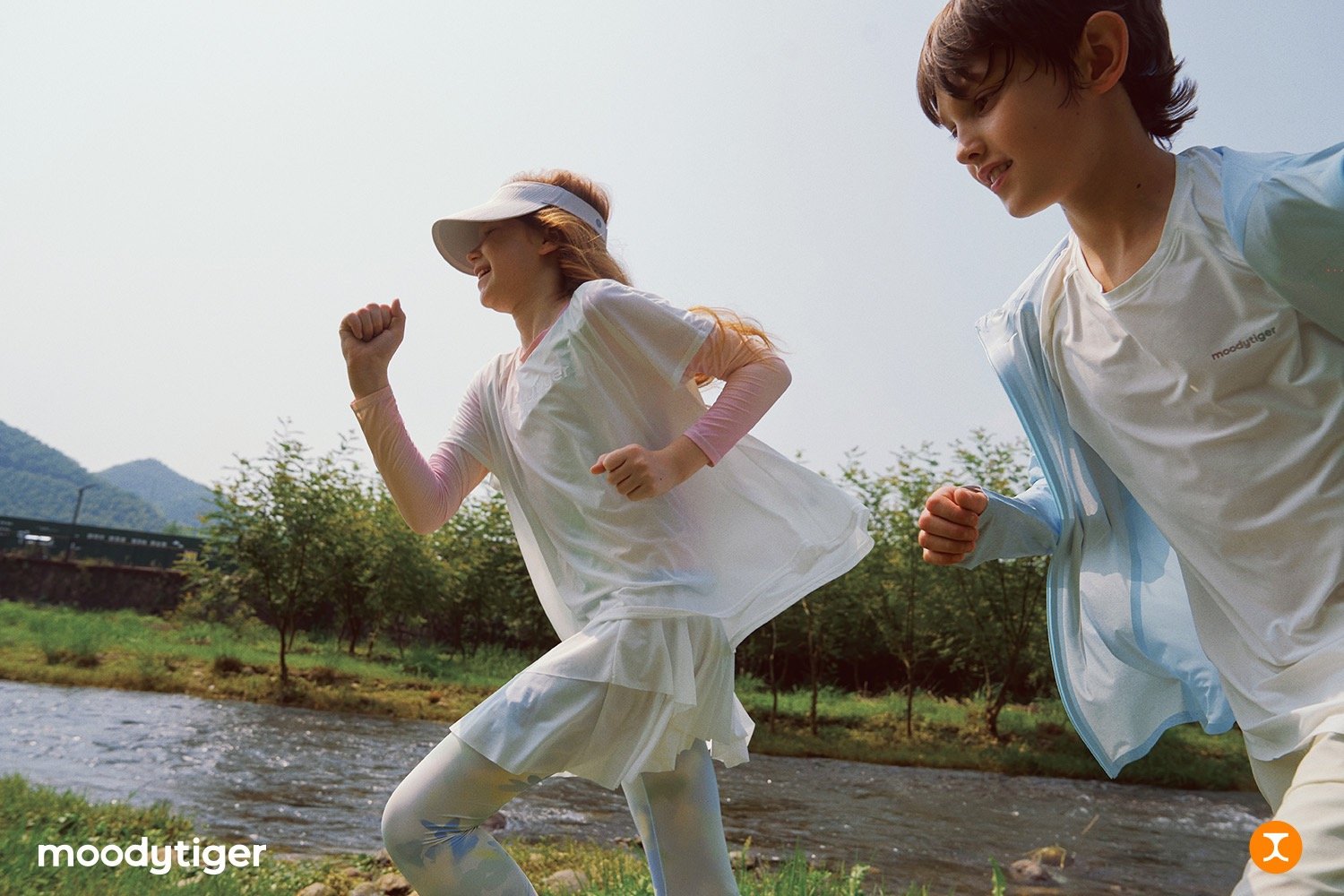
The day bag on a family outdoor trip is a negotiation between what the day might need and what the bag can actually hold without becoming its own problem. The jacket that takes up half the main compartment is the jacket that gets left in the car. The layer that compresses to the size of a water bottle is the one that comes with the family, which means it is available when the wind arrives at the viewpoint rather than sitting in the boot at the car park.
Outerwear for outdoor days with children works best when it does two things well: feels useful when it is on and packs away easily when it comes off. A layer that handles the cool sections of a varied outdoor day without feeling too warm during the active sections is more likely to stay in use. A layer that packs flat enough to go into a side pocket rather than occupying the main compartment is more likely to come on the trip. moodytiger builds its outerwear range around both requirements: practical comfort during the sections that need it and packability during the sections that do not.
What the Weather Does and What Good Layers Handle
British outdoor days are not hostile to families. They are simply unpredictable, and the families who enjoy them most are the ones who stopped trying to plan for a specific forecast and started planning for the range of what a day outside in this country actually produces. The morning that was forecast as cloudy and mild and became sunny and warm by eleven. The afternoon that reversed the same transition. The walk back to the car at the end of the day when the temperature had dropped back to what it was at the start and everyone was glad of the layer that had been in the bag since noon.
The clothing that handles this range is simple in purpose: light enough to be worth bringing, warm enough to be worth wearing, and packable enough to travel in the bag. A visor that folds into a pocket makes extra sun coverage easier to carry. A layer that compresses means outerwear is available when the wind arrives. A base layer that helps manage moisture can keep a child more comfortable whether the morning is active or still. These are the pieces that make a great day out feel easier to manage, and the families who find them tend to reach for them again.
The Difference Between a Good Day and a Great One
A great day out with children is shaped by how much of it everyone can enjoy without logistics getting in the way. The trail can continue without a hat that blows off and needs chasing. The viewpoint stop can feel more comfortable because the layer in the bag is accessible and warm. The walk back to the car is easier when the child has what they need for the cooler end of the day.
The clothing that contributes to this is usually the clothing nobody needs to talk about during the day. It does its job quietly enough that the photographs are good and the children want to know when they are going again. That is a useful standard for a good layer and a well-chosen accessory set on a family outdoor day. It starts with deciding, before the morning begins, that the day bag should contain the things that actually help rather than the things that only might.
