
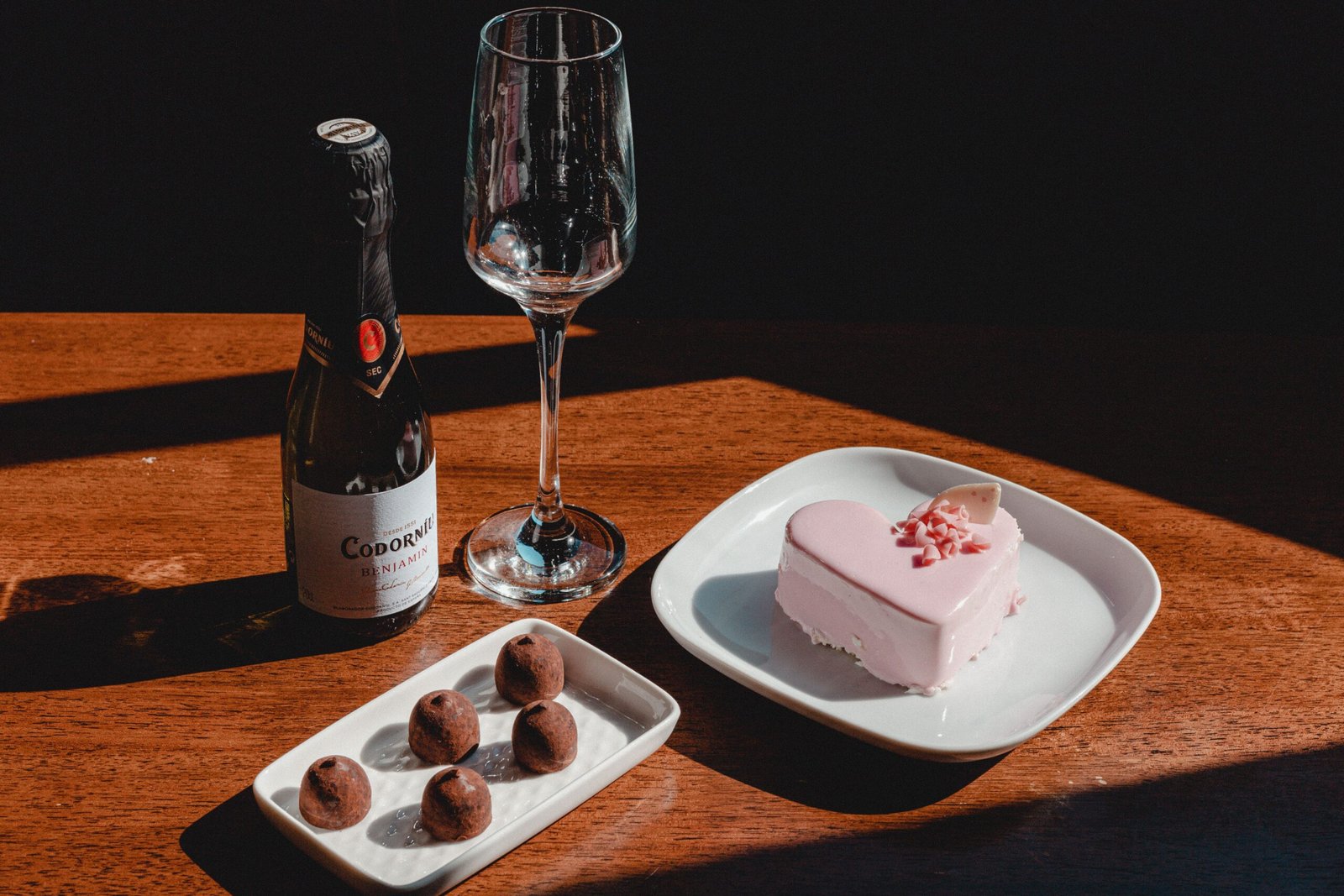
Food and wine have shared the table for centuries, but enjoying them together does not have to involve complicated rules or intimidating terminology. A good pairing is ultimately about balance: sweetness can soften spice, acidity can brighten rich foods, and contrasting flavors can make both the dish and the drink more interesting. Modern wine culture has also become increasingly playful, giving people more freedom to experiment with fruit wines, sweet varieties, desserts, snacks, and unexpected combinations. Whether you are planning dinner with friends or simply trying something new, approaching food and wine with curiosity can turn an ordinary meal into a memorable experience.
Sweet Wines Open the Door to Playful Pairings
Wine pairing becomes particularly interesting when you move beyond conventional reds and whites. Dessert-inspired and fruit-forward varieties can work with foods that might otherwise seem difficult to match. A playful example is cotton candy wine, which brings a distinctly sweet profile to the table and creates opportunities to experiment with salty, fruity, creamy, and dessert-based pairings.
Tennessee Homemade Wines produces its Cotton Candy wine as a lighthearted sweet option inspired by the familiar spun-sugar flavor of a county fair. The 11.5% ABV wine is designed to be served chilled, making it an unconventional choice for casual gatherings or dessert-focused occasions.
Instead of treating sweetness as something that limits pairing possibilities, use it as the starting point. Salty foods can create contrast, while mild desserts can complement the wine without introducing competing flavors. The goal is enjoyment, not passing a sommelier examination.
Balance Matters More Than Complicated Rules
Traditional wine advice can sound intimidating when every grape appears to come with a separate collection of rules.
Fortunately, one basic principle does most of the heavy lifting: aim for balance.
A delicate dish can become overwhelmed by an extremely intense wine, while a bold meal may make a very subtle wine disappear. Try matching the general intensity of the food with the intensity of the drink.
Sweetness, acidity, salt, fat, and spice also influence the experience. Acidic wines can provide refreshing contrast alongside richer foods, while sweetness can soften the perception of heat in spicy dishes.
Think about the dominant characteristic of the meal rather than memorizing hundreds of individual combinations.
Once you understand why a pairing works, experimenting becomes much easier—and considerably more fun.
Contrast Can Be Just as Effective as Similarity
Pairings do not always need matching flavors.
Sometimes opposites create the most interesting experience.
A crisp wine alongside something rich can refresh the palate between bites. Sweetness paired with salty food creates another familiar contrast, which is why sweet-and-salty combinations appear everywhere from caramel popcorn to fruit served with cheese.
Texture can produce similar effects. A refreshing drink can lighten the sensation of a creamy dish, while sparkling characteristics can create contrast with fried or crunchy foods.
When experimenting, ask whether you want the wine to echo the food or challenge it.
Neither approach is automatically better.
Complementary pairings create harmony by emphasizing similar characteristics. Contrasting pairings create excitement by making differences more noticeable.
Understanding that distinction gives you far more freedom at the table.
Desserts Require a Little Extra Thought
Pairing wine with dessert sounds straightforward until you put two extremely sweet things together and discover that neither tastes quite the way you expected.
As a general approach, consider the intensity and sweetness of both elements.
Fruit-based desserts can pair naturally with wines carrying similarly bright or fruity characteristics. Creamy desserts may benefit from something that provides contrast, while chocolate introduces bitterness and richness that require additional consideration.
Unusual sweet wines can be particularly entertaining here because they allow you to build an entire pairing around a nostalgic flavor.
Instead of choosing the richest dessert available, consider simpler options that leave room for the wine to contribute.
Fresh berries, lightly sweetened pastries, or restrained creamy desserts may provide a better canvas than something containing six layers of sugar.
Sometimes less really does produce more flavor.
Casual Foods Deserve Wine Too
Wine does not need linen napkins and an elaborate dinner to justify opening a bottle.
Some of the most enjoyable combinations involve ordinary foods.
Popcorn, salty snacks, sandwiches, barbecue-inspired dishes, fruit, cheese, and simple baked goods can all create interesting pairing opportunities depending on the wine.
Casual combinations are also ideal for learning because the stakes are low. You can pour small amounts, try several foods, and decide what works without worrying about whether you have violated an imaginary dining rule.
Host a tasting night where everyone brings a snack and compares combinations.
You will probably discover that people disagree about their favorites, which is exactly the point.
Taste is personal. A pairing guide can provide direction, but your own palate gets the final vote.
Temperature Changes the Tasting Experience
Serving temperature can significantly influence how both aroma and flavor are perceived.
A wine served too warm may feel heavier or emphasize alcohol, while one served extremely cold can mute aromas and flavors.
Sweet and fruit-forward wines are often enjoyable chilled because cooler temperatures can make their sweetness feel refreshing rather than overwhelming.
Temperature matters for food as well.
A warm dessert paired with a cooler wine creates a sensory contrast that can make both elements more distinctive. Similar principles apply to savory dishes.
You do not need laboratory precision. Simply paying attention to whether a bottle would benefit from some refrigerator time can noticeably improve the experience.
Small serving decisions often matter more than expensive accessories.
Build a Tasting Around Exploration
A food-and-wine tasting becomes more interesting when guests can compare rather than simply consume.
Choose several contrasting foods and serve them in small portions. Include something salty, something creamy, something fruity, and something sweet. Then taste the wine with each option and notice what changes.
Does the wine suddenly taste sweeter? Does a particular food emphasize fruit characteristics? Does another combination seem flat?
Encourage everyone to describe reactions in ordinary language.
There is no requirement to announce notes of obscure flowers growing on a hillside nobody has visited. “This tastes better with the salty one” is perfectly useful tasting information.
Writing down favorites can help identify patterns in your preferences.
The exercise turns pairing into discovery rather than performance, making wine more approachable for people who are still learning what they enjoy.
The Best Pairing Is the One You Actually Enjoy
Food-and-wine culture sometimes becomes so focused on expertise that people forget the obvious purpose: enjoying what is in the glass and on the plate.
Recommendations are valuable because they provide starting points, not because they establish permanent laws.
If you enjoy a sweet wine with something experts would pair differently, nothing terrible happens. You have simply learned something about your preferences.
That freedom is especially relevant as wineries experiment with unconventional flavors. Tennessee Homemade Wines describes its broader collection as Southern sweet wines crafted in the Smoky Mountains, including varieties made with local fruits and recipes connected to family tradition.
Those creative styles encourage equally creative food choices.
Start with balance, experiment with contrast, pay attention to serving temperature, and notice how different foods change what you taste. Most importantly, keep the experience social and enjoyable. Food and wine are at their best when they create conversation, curiosity, and reasons to spend a little longer around the table.
