
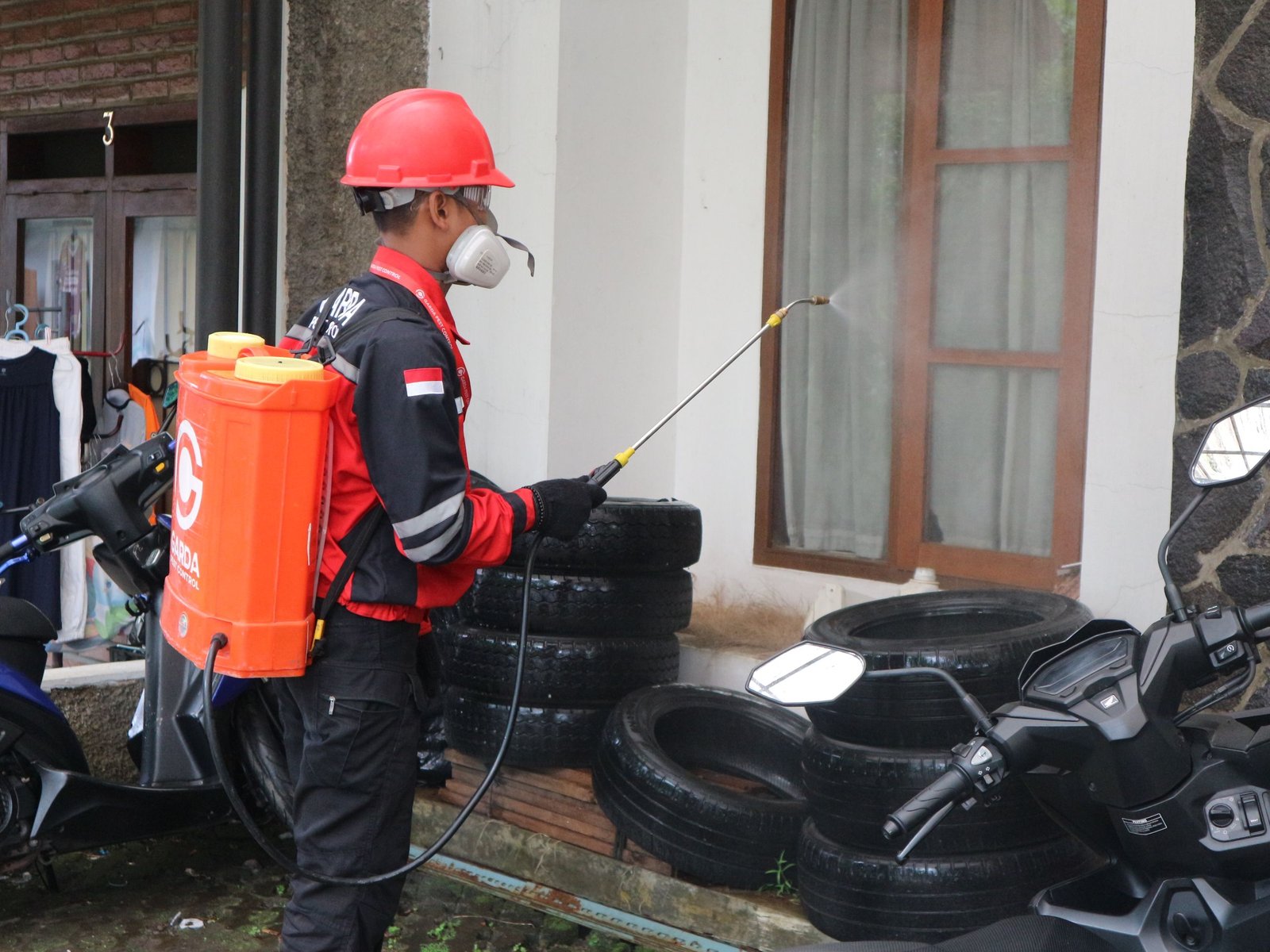
If you live in Show Low, Arizona, you already know the mountain air, pines, and changing seasons make the area feel a little different from the typical desert picture people imagine. That also means pest activity can shift with the weather, elevation, and nearby wildlife. Keeping your home pest-free in a place like this takes more than setting out one lonely trap and hoping for the best.
Know When DIY Stops Being Effective
There’s nothing wrong with handling small issues yourself. Sticky traps, bait stations, and sealing cracks can absolutely help. The problem starts when people keep repeating the same fix while the infestation quietly expands behind walls, under floors, or in attic insulation.
If you’re seeing pests during the day, finding repeated signs after treatment, or noticing damage to wiring, food storage, or wood, you may be past the DIY stage. The same goes for wasp nests in hard-to-reach areas or rodents that keep returning after traps are set.
At that point, getting professional help makes more sense than buying your fifth mystery spray from the hardware store. If you’re looking for professionals who specialize in pest control Show Low has several experienced providers who can inspect the issue, identify the source, and recommend a treatment plan tailored to the specific pest you’re dealing with.
Know Which Pests Are Most Likely to Show Up
You can’t solve a pest problem well if you’re guessing what’s crawling, flying, or sneaking around your house. In areas like Show Low, common troublemakers often include ants, spiders, cockroaches, rodents, and wasps. Depending on the season, you might also deal with earwigs or occasional invaders looking for warmth.
A lot of pests aren’t charging through your front door like tiny action heroes. They slip in through gaps under doors, foundation cracks, attic vents, and utility openings. Rodents are especially good at finding the one weak spot you forgot to check.
Start by paying attention to the clues:
– Droppings in cabinets or garages
– Chewed food packaging
– Webs gathering in corners
– Ant trails near sinks or baseboards
– Scratching sounds in walls at night
The earlier you spot a pattern, the easier it is to stop a full-blown infestation.
Cut Off Food and Water Sources First
Pests don’t need much to settle in. A few crumbs under the toaster, a leaky pipe under the sink, or pet food left out overnight can function like a standing dinner invitation. If you want fewer pests, make your home less convenient for them.
Keep kitchen counters wiped down and sweep often, especially in places where snacks mysteriously explode into crumbs. Store cereal, flour, and pet food in sealed containers instead of flimsy opened bags. Take out trash regularly and make sure your outdoor bins close tightly.
Water matters just as much as food. Roaches, ants, and even rodents are drawn to moisture. Check for:
– Dripping faucets
– Damp cabinet interiors
– Condensation near windows
– Standing water in plant trays
– Poor drainage around the foundation
A dry, clean house isn’t glamorous, but it’s one of the least exciting places a pest can choose. That’s a win.
Seal Entry Points Before Pests Turn Them Into Highways
A tiny crack may not look like a big deal to you, but to an insect or mouse, it can be prime real estate access. One of the smartest things you can do is inspect your home’s exterior and block easy entry.
Check door sweeps, window screens, siding gaps, rooflines, and the areas where pipes or cables enter the house. Use caulk for smaller cracks and weatherstripping where doors and windows don’t seal properly. For larger openings, steel wool and metal mesh can help, especially where rodents may try to squeeze through.
Don’t forget the garage. It often becomes the unofficial lobby for pests because people leave it open, store cardboard there, and ignore small gaps along the edges.
If you want a practical checklist, walk around your home at dusk with the porch lights on inside. Spots where light leaks out often reveal the places pests can use to get in.
Be Smart About Your Yard and Outdoor Storage
What happens outside your home affects what happens inside it. Overgrown shrubs, stacked firewood, and cluttered sheds give pests places to hide close to your walls. Once they’re comfortable nearby, moving indoors becomes the next logical step.
Trim bushes and tree branches so they don’t touch your house. Keep mulch from piling too high against the foundation. Store firewood away from the home and off the ground if possible. If you use outdoor storage bins, make sure they seal well and don’t collect moisture.
You should also keep an eye on bird feeders, fallen fruit, and pet bowls left outside. Those attract more than birds and neighborhood cats.
A tidy yard doesn’t need to look sterile or boring. It just needs fewer pest-friendly features. Think less “wildlife resort,” more “nice place, no vacancy.” That shift can reduce activity before pests ever cross the threshold.
Use Prevention as Your Long-Term Strategy
The best pest control plan isn’t dramatic. It’s consistent. You want routines that make your home harder to invade month after month, not just a reaction every time something skitters across the floor and ruins your evening.
Build a simple prevention routine you can actually keep up with:
– Inspect under sinks once a month
– Vacuum baseboards and corners regularly
– Check pantry items for spills or torn packaging
– Look at door seals every season
– Clear leaves and debris from around the home
– Schedule inspections if you’ve had repeat problems before
Seasonal changes matter too. Cooler weather can push pests indoors, while spring and summer often increase breeding and foraging activity. Your habits should adjust with the calendar.
If you treat pest prevention like basic home maintenance, it stops feeling overwhelming. It becomes part of how you protect your space, your food, and your sanity.
Keep Your Home Comfortable Without Sharing It With Pests
A pest-free home usually comes down to a few practical habits done well: keeping things clean, sealing access points, managing moisture, and acting early when signs appear. You don’t need to become an entomologist or turn your kitchen into a lab. You just need a system that makes your home less attractive to unwanted guests.
That matters even more in places like Show Low, where changing seasons and surrounding nature can bring pests closer to home. A little prevention saves money, stress, and the kind of surprise that sends you leaping backward in socks.
Stay observant, handle small issues quickly, and bring in expert help when the problem stops being small. Your home should feel comfortable for you, not like a co-op apartment for ants, rodents, and every spider with ambition.
