
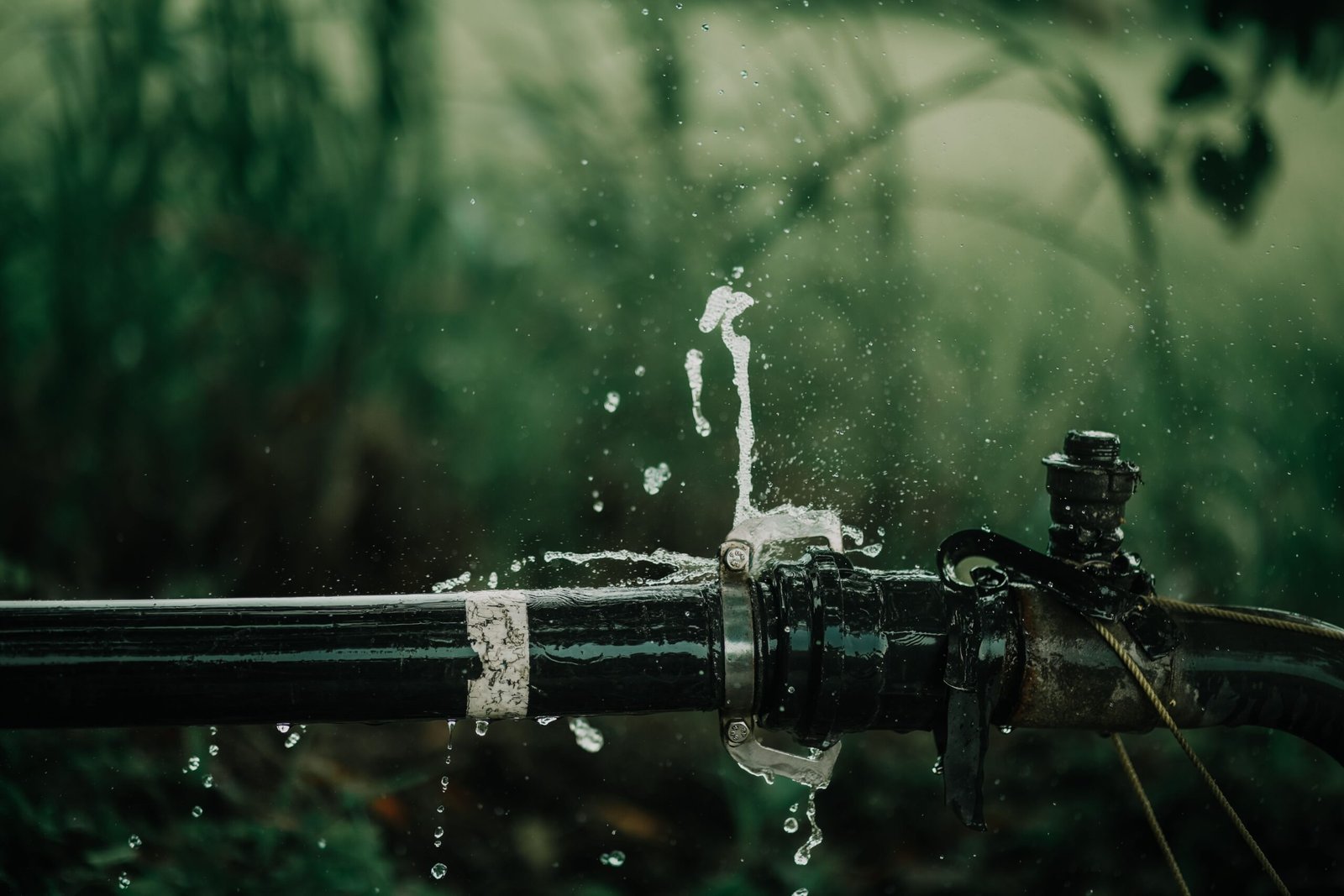
You probably don’t think much about your plumbing until something starts dripping, gurgling, or refusing to drain. That’s normal. Pipes and fixtures are easy to ignore when they’re doing their job. In a place like Cincinnati, where seasonal temperature swings can stress home systems, minor plumbing issues can turn into bigger repairs faster than you’d expect. A tiny leak today can quietly become a budget-wrecking headache next month.
Small Leaks Rarely Stay Small
A dripping faucet seems harmless at first. It’s just a little water, right? Not quite. A slow leak can waste hundreds or even thousands of gallons over time, and your water bill won’t politely pretend it didn’t notice.
Leaks under sinks are even trickier because they often stay hidden. You may not spot them until the cabinet floor swells, cleaning supplies smell musty, or mold starts settling in like an unwanted roommate.
What makes this worse is the domino effect. A loose seal or worn-out valve can damage wood, drywall, and nearby flooring. By the time you deal with it, the repair may involve more than plumbing. You could be paying for carpentry, mold cleanup, and paint too.
Professional Repairs Often Cost Less Than Delay
It’s tempting to put off a repair when the problem seems manageable. Plenty of homeowners do this with running toilets, minor leaks, or occasional drain issues. The logic makes sense until the issue grows teeth.
A toilet that keeps running can waste a huge amount of water in a month. A leak under a sink can quietly rot the cabinet base. A weak pipe connection can fail at 2 a.m., because plumbing loves drama.
Working with a qualified company such as Nixco Plumbing can help you catch problems while they’re still relatively contained. That matters because early repairs are usually simpler, less invasive, and easier on your budget than emergency service after a full-blown failure.
Clogs Can Signal More Than a Slow Drain
A sink that drains slowly often gets brushed off with a promise to deal with it later. Later tends to arrive when the sink stops draining completely, usually at the least convenient time possible.
One clog may be simple. Repeated clogs are often a clue that something deeper is happening in the line. Grease buildup, hair, soap residue, tree root intrusion, or pipe scale can all restrict flow. Drain cleaner might seem like a quick fix, but harsh chemicals can wear down certain pipes over time.
If multiple drains in your home are acting up, the issue may be beyond a single fixture. That kind of pattern can point to a main sewer line problem, and those repairs can get expensive fast if backups begin affecting bathrooms or lower-level drains.
Water Damage Builds Quietly Behind Walls
Some of the most expensive plumbing problems don’t make a dramatic entrance. They stay hidden behind drywall, under floors, or above ceilings while slowly causing damage.
A pinhole leak in a pipe can release just enough water to create staining, warped trim, and soft spots in nearby materials. You might first notice a peeling patch of paint or a strange odor, not a burst pipe scene straight out of a disaster movie.
Moisture trapped in enclosed spaces also creates ideal conditions for mold growth. Once mold spreads, repairs can become more invasive and more expensive. Walls may need to be opened, insulation replaced, and affected areas professionally treated. Fixing the pipe becomes just one piece of a much larger project.
Your Water Heater Gives Warnings Before It Fails
Water heaters are not subtle forever, but they do drop hints before they quit. You may hear popping noises, notice inconsistent water temperatures, or spot a little moisture collecting near the base.
Sediment buildup is a common culprit, especially in areas with mineral-heavy water. As sediment collects in the tank, the heater has to work harder to do the same job. That extra strain can shorten its lifespan and push up your energy bill.
A neglected unit can also develop pressure issues or corrosion. Once the tank starts failing, you’re no longer dealing with a small maintenance item. You’re dealing with replacement costs, possible water damage, and a household that suddenly learns how much it values hot showers.
Seasonal Changes Put Extra Stress on Plumbing
Weather has a bigger impact on your plumbing than most people realize. Cold snaps can freeze exposed pipes, and frozen water expands with enough force to crack them. Then, when temperatures rise, the real mess begins.
Hot weather has its own plumbing quirks. Increased water use, sprinkler systems, and overworked appliances can reveal weak points that stayed hidden during milder months. Heavy rain can also overwhelm drainage systems or expose sewer line vulnerabilities.
If you live in an older home, seasonal strain matters even more. Aging pipes, outdated materials, and previous patchwork repairs don’t always play nicely with extreme temperature changes. A little prevention before the weather shifts can save you from a very unpleasant surprise.
DIY Fixes Have Limits
You can absolutely handle some basic plumbing tasks. Replacing a showerhead, plunging a toilet, or checking for visible drips are reasonable first steps. Homeownership comes with a bit of hands-on reality.
Still, not every issue should become a weekend experiment. If you’re dealing with persistent leaks, low water pressure throughout the house, sewer smells, or signs of hidden moisture, guessing can make things worse. One overtightened fitting or poorly installed part can create a bigger repair than the original problem.
There’s also the code and safety side of things. Water heaters, gas lines connected to certain systems, and concealed plumbing repairs often need more than enthusiasm and a trip to the hardware store.
Smart Maintenance Helps You Avoid Expensive Surprises
Plumbing maintenance isn’t glamorous, and nobody brags about checking shutoff valves at a party. Even so, routine attention can save you a lot of stress and money.
A few practical habits make a real difference:
– Check under sinks monthly for moisture or discoloration
– Watch for unexplained increases in your water bill
– Listen for running toilets and dripping fixtures
– Avoid pouring grease or food scraps down drains
– Insulate exposed pipes before winter
– Schedule inspections if your home is older or has recurring issues
You don’t need to become a plumbing expert. You just need to notice early warning signs and respond before a minor issue starts charging premium rates.
Paying Attention Early Protects More Than Your Pipes
Plumbing problems affect more than fixtures and water lines. They can damage flooring, walls, cabinets, and air quality. They can also disrupt your routine in ways that get old very quickly.
When you stay alert to small warning signs, you give yourself more options. You can plan repairs instead of rushing into emergencies. You can compare solutions, ask better questions, and avoid the panic that usually comes with water where water definitely should not be.
A small drip may look insignificant today, but plumbing has a talent for turning neglect into expense. Catching issues early keeps your home safer, your repair costs lower, and your daily life a whole lot less soggy.
