
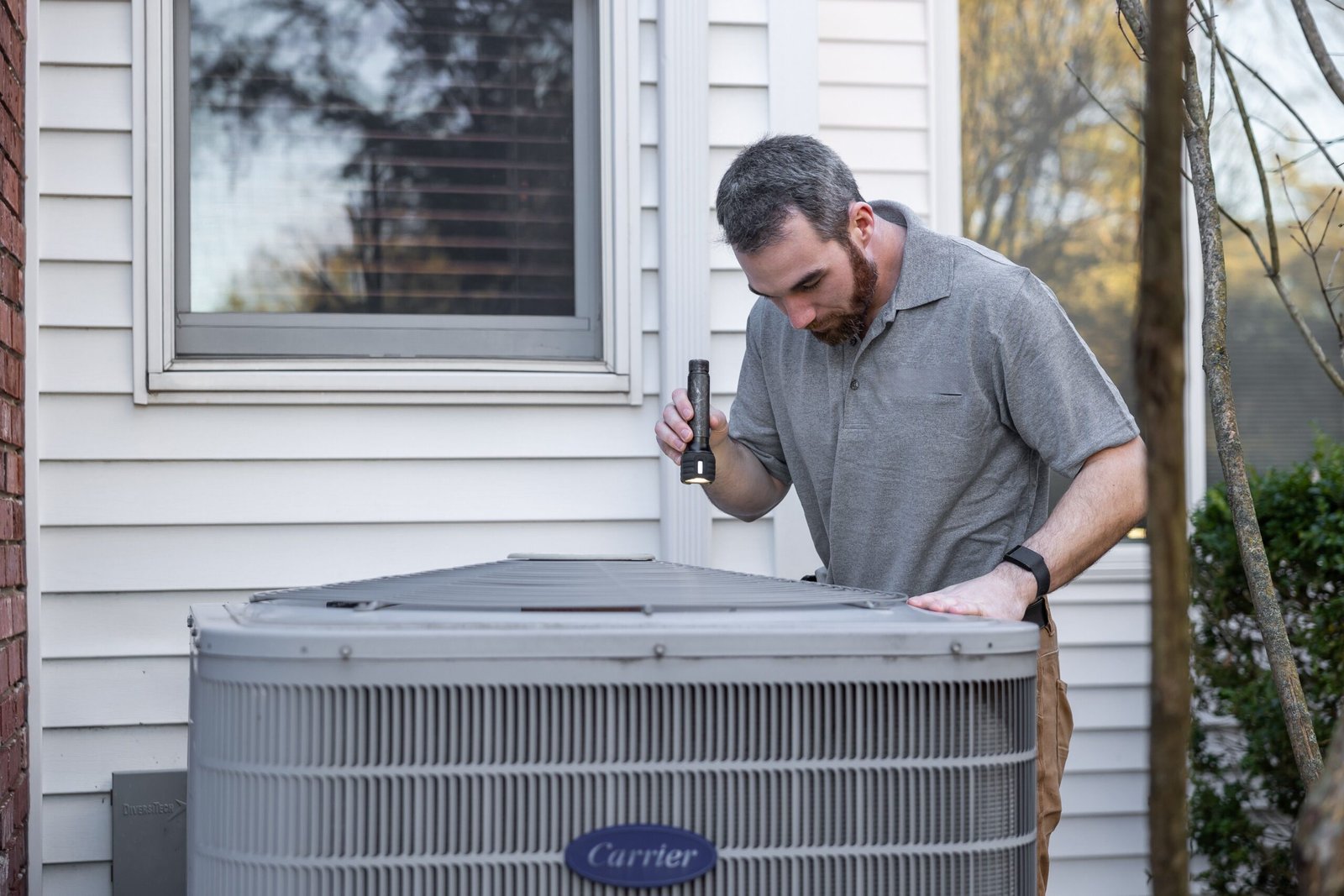
Your heat pump does a lot more than most people notice. It keeps you comfortable in winter, helps manage summer heat, and usually does it quietly in the background. Until it doesn’t. When performance slips, energy bills rise, or odd sounds start up, you need to catch the issue early. A little attention can save you from bigger repairs, uneven temperatures, and the kind of indoor discomfort that turns your living room into a weather experiment.
What Your Heat Pump Is Actually Doing All Year
If you think a heat pump only matters in cold weather, you’re missing half the story. It moves heat instead of generating it outright, which makes it efficient and surprisingly versatile. In cooler months, it pulls heat from outside air and brings it indoors. In warmer months, it reverses direction and pushes heat out.
That year-round workload means plenty of wear on key parts like the compressor, reversing valve, fan motor, and refrigerant lines. Unlike a furnace that gets a seasonal break, your heat pump is basically always on the roster. A system with heavy use can start showing subtle issues before anything fully breaks.
You might notice longer run times, rooms that feel uneven, or airflow that seems weaker than usual. None of that means instant disaster, but it does mean your system is asking for a closer look.
Early Warning Signs You Shouldn’t Ignore
Heat pumps are not dramatic machines by nature. They usually whisper their complaints before they start shouting. That’s useful, provided you pay attention.
A few signs tend to show up early:
– Strange rattling, buzzing, or grinding noises
– Short cycling, where the unit turns on and off too often
– Weak airflow from vents
– Air that feels lukewarm when stronger heating is expected
– Ice forming on the outdoor unit when conditions don’t justify it
– A sudden spike in your utility bill
One odd sound after a storm may not mean much. A pattern of problems usually does. If your system seems to be working harder while delivering less comfort, you’re probably not imagining it.
Professional heat pump repair services can help pinpoint whether the issue is electrical, mechanical, or tied to refrigerant levels. Guessing rarely saves money. It just gives the problem time to get expensive.
Why Small Performance Issues Turn Into Bigger Repairs
A heat pump can keep running while struggling, which creates a false sense of security. You still get some heating or cooling, so it feels tempting to put things off. That delay is where costs start stacking up.
Take a dirty coil or clogged filter. On paper, a minor issue. In practice, restricted airflow makes the system work harder, which can strain the blower motor and reduce efficiency. Low refrigerant can do something similar by forcing the compressor to overcompensate. The compressor, unfortunately, is one of the pricier parts to replace. Not exactly a budget-friendly plot twist.
There’s also the comfort angle. A system that can’t maintain stable indoor temperatures leaves you fiddling with the thermostat and wondering why the bedroom feels like one season while the hallway feels like another.
Catching smaller issues early often means simpler repairs, shorter service calls, and less stress during temperature extremes.
What You Can Check Before Calling a Technician
Not every heat pump problem calls for immediate panic. A few basic checks can help you rule out simple issues before scheduling service.
Start with the thermostat. Make sure it’s set correctly and has working batteries if needed. Then check your air filter. If it looks dusty enough to qualify as a craft project, replace it. A clogged filter can choke airflow and create performance problems that look bigger than they are.
Next, inspect the outdoor unit. Clear away leaves, grass, and debris around it. If snow or ice is blocking airflow, remove it carefully without damaging the fins. You can also look at the breaker panel in case the unit has tripped the power.
What you shouldn’t do is open panels, handle wiring, or mess with refrigerant components. If the problem isn’t obvious after basic checks, it’s time to let trained eyes take over.
How Professional Repairs Protect Efficiency and Equipment Life
A skilled HVAC technician does more than swap out broken parts. They assess how the entire system is operating, which matters because one issue often triggers another. Heat pumps are interconnected systems, not a collection of random gadgets.
A proper diagnostic visit may include checking refrigerant pressure, testing electrical components, inspecting coils, measuring airflow, and evaluating thermostat communication. If your unit is freezing up, for example, the culprit could be airflow restriction, a failing defrost cycle, or a refrigerant issue. Same symptom, very different fix.
Good repairs also protect long-term efficiency. A system that runs with the correct charge, clean components, and balanced airflow uses less energy to keep you comfortable. That adds up over time, especially during seasons when your heat pump works daily.
You’re not just paying for the repair itself. You’re protecting equipment life and reducing the odds of repeat failures.
When Repair Makes Sense and When Replacement Deserves a Look
Not every struggling heat pump needs to be replaced. Plenty of units can be repaired and keep running well for years, especially if the problem is isolated and the system has been maintained properly.
Repair often makes sense when:
– The unit is under 10 years old
– The repair is relatively minor
– Energy bills have stayed fairly stable
– The system has a solid maintenance history
Replacement may be worth discussing when repairs become frequent, major components fail, or the unit is nearing the end of its expected lifespan. Older systems can also lag behind current efficiency standards, which affects monthly costs.
A trustworthy technician should walk you through both paths without pushing you into the most expensive option. You want clear numbers, realistic expectations, and a sense of how the system is likely to perform after repair.
That kind of transparency matters more than a sales pitch with extra sparkle.
Smart Maintenance Habits That Help You Avoid Trouble
You can’t prevent every repair, but you can lower the chances of a mid-season breakdown. Regular upkeep keeps your heat pump cleaner, more efficient, and easier to diagnose when something does go wrong.
A few smart habits make a difference:
– Replace air filters on schedule
– Keep the outdoor unit clear on all sides
– Listen for new noises instead of ignoring them
– Watch for changes in airflow or comfort
– Schedule seasonal professional maintenance
Annual or twice-yearly tune-ups are especially useful because heat pumps operate in both heating and cooling modes. A technician can catch worn parts, electrical issues, or refrigerant problems before they become bigger disruptions.
Think of maintenance as less glamorous than home upgrades but far more useful on a 95-degree afternoon or a freezing morning. Nobody brags about a clean coil, yet everybody enjoys a house that feels normal.
Paying Attention Early Saves Money and Frustration
Your heat pump doesn’t need constant worry, but it does deserve attention when something feels off. A little noise, weak airflow, or inconsistent temperatures can be the first clue that the system needs help. Ignoring those signs often leads to bigger repairs, higher bills, and more indoor discomfort than you bargained for.
If you stay alert to changes, handle basic upkeep, and bring in a professional when needed, you give your system a much better chance of running efficiently through every season. That means fewer surprises, steadier comfort, and less stress when the weather decides to act like it has a personal grudge against your thermostat.
