
Your roof is easy to ignore until it starts making your life expensive. A few missing shingles, a stain on the ceiling, or a draft you can’t quite place can turn into a full replacement conversation fast. If you’re trying to figure out whether a new roof makes sense, what the process looks like, and how to avoid costly mistakes, you need clear information. The goal isn’t panic. It’s making a smart decision before water starts winning.
Know when repair stops making sense
A roof rarely fails in one dramatic moment. It usually declines in stages, and the clues are often visible before leaks start dripping into a bucket in your hallway.
Watch for cracked, curling, or missing shingles, dark streaks, granule loss in gutters, sagging spots, and flashing that looks loose or corroded. Inside your home, ceiling stains, attic moisture, and moldy smells can point to roof trouble.
Age matters too. Many asphalt shingle roofs last about 20 to 30 years, depending on climate, ventilation, and installation quality. If your roof is nearing the end of that range, patch jobs can start feeling like throwing bandages at a broken zipper.
Understand what a roof replacement actually includes
A lot of people think a roof replacement means slapping on fresh shingles and calling it a day. In reality, a proper job includes several layers and systems working together.
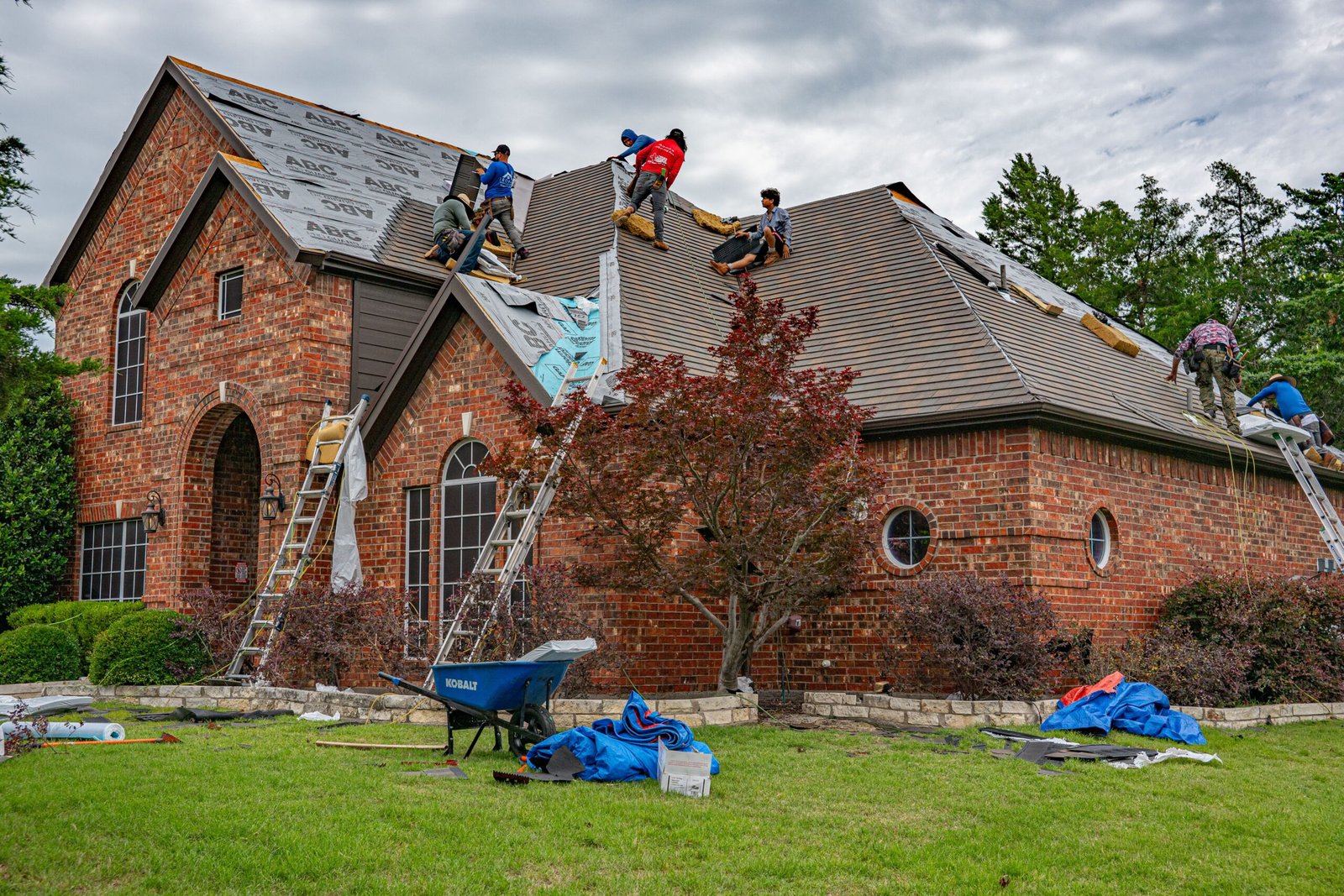
Roofing contractors usually remove old materials, inspect the decking, replace damaged wood, install underlayment, add ice and water protection where needed, fit flashing around chimneys and vents, and then install the final roofing material. Ventilation also gets checked, which matters more than many homeowners realize.
If you’re considering installing new roof, think beyond the surface material. A roof is a weather-management system, not just a row of shingles posing for curb appeal.
Ask what is included in the estimate. One quote may seem cheaper until you notice it skips disposal, decking repairs, upgraded flashing, or ventilation corrections. That lower price can age badly.
Compare roofing materials with your real life in mind
Choosing roofing material isn’t only about looks. Your budget, local weather, maintenance tolerance, and how long you plan to stay in the home all matter.
Common options include:
– **Asphalt shingles:** Affordable, widely available, and easy to install
– **Metal roofing:** Durable, energy-efficient, and great in many climates
– **Wood shakes:** Attractive but higher maintenance and not ideal everywhere
– **Clay or concrete tile:** Long-lasting, heavy, and often better for specific architectural styles
– **Slate:** Premium look and longevity, with a premium price tag to match
If you live in an area with high winds, hail, heavy snow, or intense sun, ask about impact ratings, fire resistance, and manufacturer warranties. A roof that looks fantastic on a Pinterest board may be a terrible fit on your street.
Learn how timing, weather, and scheduling affect the project
Roof replacement isn’t a random weekend errand. Weather, contractor availability, and the condition of your roof can all affect timing.
Spring through fall is often the busiest season for roofing work in many regions. Warm temperatures help materials seal properly, but demand can drive up wait times. If a major storm recently hit your area, expect schedules to fill fast and inspections to take longer.
Emergency replacements can happen in winter, though crews may need to work around temperature limits, snow, or ice. That can affect material performance and pace.
You’ll also want to prepare for a few noisy days. Roof work involves pounding, scraping, moving materials, and debris removal. Pets may hate it. Toddlers may narrate it like a live-action construction documentary.
Vet contractors like you’re hiring for a job, because you are
A roof replacement can cost thousands of dollars, so choosing a contractor casually is a risky move. A polished truck and a low quote are not a qualification system.
Check for state licensing where required, proof of insurance, manufacturer certifications, and local references. Read reviews with some skepticism and some attention. If every review sounds suspiciously poetic, keep your guard up.
Ask direct questions:
– Who will supervise the crew?
– Will old materials be fully removed?
– How are unexpected decking repairs handled?
– What warranty covers labor versus materials?
– How will cleanup and magnetic nail sweeping be done?
Get estimates in writing and compare scope, not just price. A quality contractor should explain the process clearly and answer questions without acting annoyed. If someone gets slippery before the contract is signed, they usually don’t become more transparent later.
Budget for the full cost, not just the quoted number
The sticker price of a new roof is only part of the financial picture. The final cost depends on material choice, roof size, slope, tear-off complexity, permit fees, and whether hidden damage shows up after removal.
Homes with multiple valleys, skylights, chimneys, or steep pitches often cost more because the work is more technical and labor-intensive. If the decking beneath the shingles has rot or water damage, replacement adds to the total.
A detailed estimate should break down labor, materials, disposal, underlayment, flashing, and possible add-ons. Ask whether there is a payment schedule and what triggers additional charges.
It also helps to think long term. A cheaper roof with a shorter lifespan or weaker warranty may cost more over time. Energy efficiency can matter too. Some roofing materials reflect heat better, which may lower cooling costs in warmer climates.
Prepare your home and know what happens after installation
Once the project is scheduled, a little preparation can save you stress. Move cars away from the driveway, cover items in the attic, and remove fragile wall décor if your home tends to vibrate during heavy work.
Outside, bring in patio furniture, potted plants, and anything that could get dusty or damaged. Let neighbors know if access, noise, or shared driveways may be affected.
After installation, don’t just admire the upgrade from the curb and move on. Walk through the final checklist with the contractor. Confirm cleanup, inspect gutters and landscaping, and ask for warranty paperwork and product details.
A good roof still needs occasional attention. Check it after major storms, keep gutters clear, and watch for signs of damage around flashing and vents. Replacement is a major reset, not a permanent excuse to stop looking up.
When you understand the process, ask better questions, and plan for the real costs, roof replacement becomes far less mysterious and far more manageable.
