
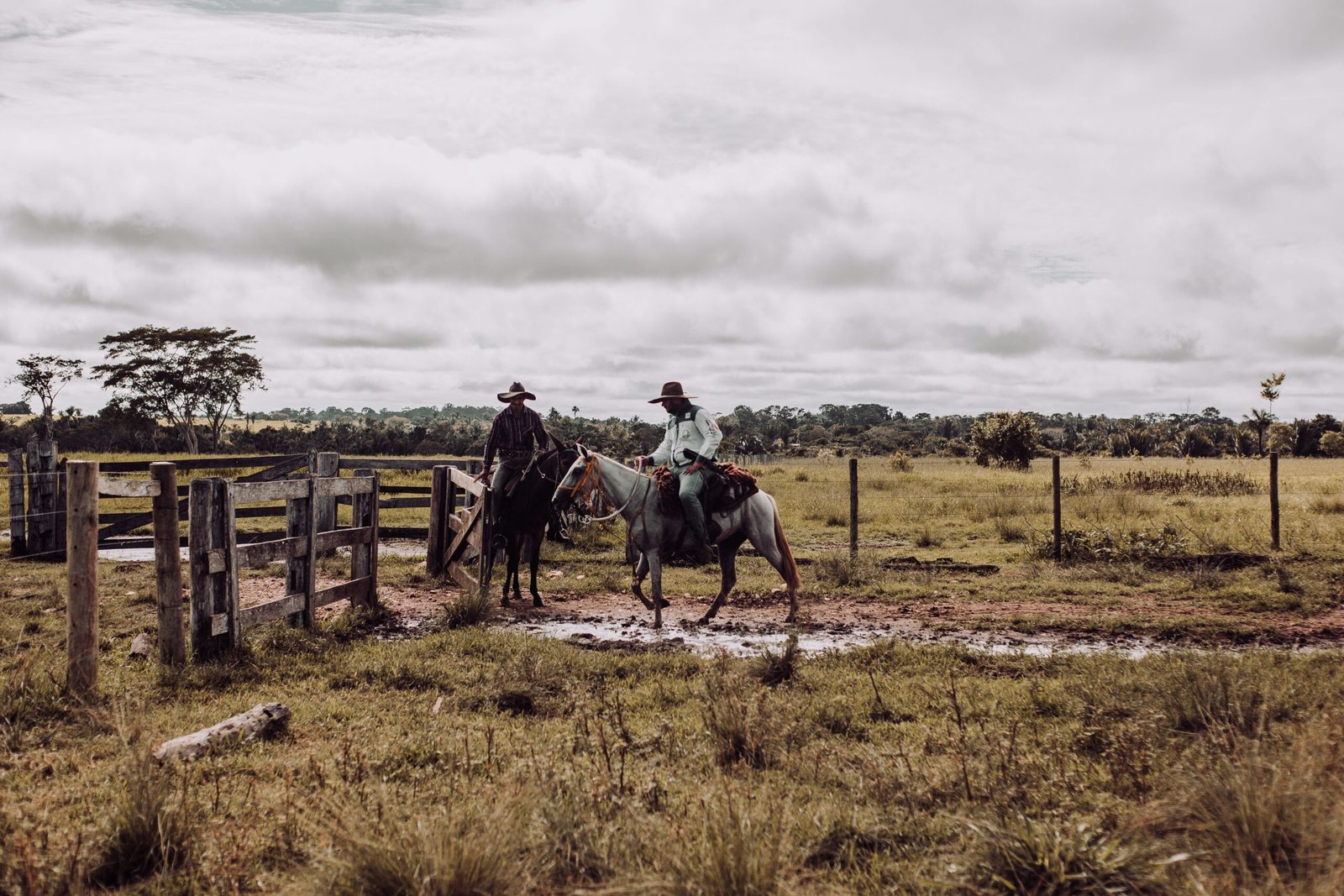
Modern routines have a way of becoming crowded without you noticing. Work follows you home, phones fill every quiet moment, meals get squeezed between obligations, and weekends somehow become another list of errands. Getting away from that pattern does not require an elaborate wellness retreat. Spending more time outdoors, cooking differently, visiting rural areas, or simply slowing down ordinary activities can create enough contrast to make your routine feel less automatic.
A Change of Pace Does More Than Fill a Weekend
A break feels different when your surroundings genuinely change.
You might spend a weekend hiking, fishing, visiting a farm, staying somewhere quieter, or simply cooking outdoors with friends. None of those activities is revolutionary. Their appeal comes partly from replacing familiar habits with something that demands a different kind of attention.
Instead of moving between a laptop and phone all day, you are watching the weather, figuring out a trail, preparing food, or having a conversation that is not competing with three notifications.
That contrast can make downtime feel more substantial. You have actually done something different rather than spending two days recovering on the same couch where you answered emails all week.
Food Can Be Part of the Experience Too
Changing your routine can happen around the table as easily as it can on a trail.
Cooking from basic ingredients, grilling outdoors, or making a meal with friends slows down something that is often treated as another task to finish quickly. The process becomes part of the evening rather than an obstacle standing between you and the evening.
It can also make you think more carefully about where ingredients come from. People interested in ranch-raised beef, for example, may pay attention to sourcing, available cuts, processing, and how the meat is packaged before choosing what to cook.
That is where Riverbend Ranch fits naturally into the conversation. The company sells beef raised on American ranches and processed domestically, with options ranging from individual cuts to curated bundles and build-your-own boxes. Customers can make one-time purchases or subscribe, and orders are vacuum-sealed for delivery.
A good meal does not have to become a philosophical exercise. Sometimes choosing the ingredients, cooking them properly, and sitting down without rushing is enough.
Spending Time Outdoors Changes the Rhythm of the Day
Nature does not need to be spectacular to be useful.
A local trail, lake, campsite, garden, or patch of open countryside can provide a break from environments built around screens and schedules. You start paying attention to temperature, daylight, distance, and weather because those things suddenly matter again.
Outdoor activities also tend to introduce movement without making exercise the entire point. Walking a trail or setting up camp feels different from watching the minutes count down on a treadmill.
There is also less pressure to fill every second. Sitting beside a fire or watching a landscape change as the sun goes down can occupy an hour surprisingly well.
For people accustomed to constant stimulation, that quieter pace may initially feel strange. Give it twenty minutes.
Rural Traditions Can Offer a Different Perspective
You do not need to romanticize rural life to appreciate how differently it can operate.
Agriculture and ranching depend heavily on timing, weather, animal care, maintenance, and repeatable routines. There are tasks that need doing regardless of whether anyone feels particularly inspired that morning.
That practical rhythm is part of what makes rural experiences interesting to people whose normal schedules revolve around meetings, inboxes, and digital work.
Visiting agricultural areas, farmers markets, ranching communities, or working farms can also put familiar products into context. Meat, vegetables, dairy products, and other foods look very different when you have some sense of the work behind them.
The experience does not need to turn you into someone who suddenly owns six pairs of boots. A little perspective is enough.
You Can Be Active Without Turning It Into an Expedition
Getting out of your normal routine does not require extreme adventure.
Some people want a demanding mountain hike. Others would prefer a short trail followed by several hours near a grill. Both approaches count.
Fishing, horseback riding, cycling, camping, wildlife watching, gardening, and walking can all create a more active day without making physical performance the main objective.
The National Park Service notes that spending time in parks can support physical activity and provide opportunities to improve mental and social well-being.
The useful part is finding an activity you actually enjoy. A supposedly restorative weekend becomes considerably less restorative when everyone involved secretly hates the itinerary.
Shared Experiences Can Feel Better Than Scheduled Entertainment
There is something useful about doing ordinary things with other people when nobody is rushing.
Cooking together is a good example. So are campfires, long walks, fishing trips, picnics, and afternoons spent outside without a tightly managed schedule.
Conversation tends to happen around the activity rather than becoming the activity itself. That takes away some of the pressure.
Food can help here too. Preparing a larger meal gives everyone a reason to participate, whether they are chopping vegetables, watching the grill, setting the table, or confidently offering advice while doing absolutely nothing.
The USDA provides straightforward guidance on safe minimum internal temperatures for meat and other foods, which is worth checking when cooking outdoors or preparing unfamiliar cuts.
Nobody wants the memorable part of a weekend gathering to be food poisoning.
Small Changes Can Follow You Home
- A useful break does not need to produce a dramatic personal transformation.
- You may simply notice that you enjoyed walking after dinner, cooking instead of ordering food, spending several hours outside, or putting your phone somewhere you could not reach it every thirty seconds.
- Those observations are easy to bring home.
- Weekends might become less scheduled.
- One evening a week could become a proper meal rather than something eaten over a keyboard.
- You might start visiting nearby trails or markets instead of automatically choosing another indoor activity.
- These are modest changes, which is precisely why they have a better chance of lasting.
- Trying to recreate an entire vacation routine at home usually lasts until Tuesday.
The Best Reset Is Usually the One That Feels Realistic
There is no universal formula for escaping a repetitive routine.
For one person, the answer may be several days in the countryside. For another, it could be a morning hike, an afternoon outside, a fishing trip, or a slow dinner with people they have not seen enough lately.
The common thread is contrast.
Do something that changes what has your attention. Move differently. Spend more time outdoors. Prepare food instead of treating meals as another efficiency problem. Give yourself a few hours that are not organized around screens and notifications.
You do not need to abandon modern life or pretend everything was better before smartphones. Sometimes you just need enough distance from your usual routine to notice which parts of it you actually want to return to.
