
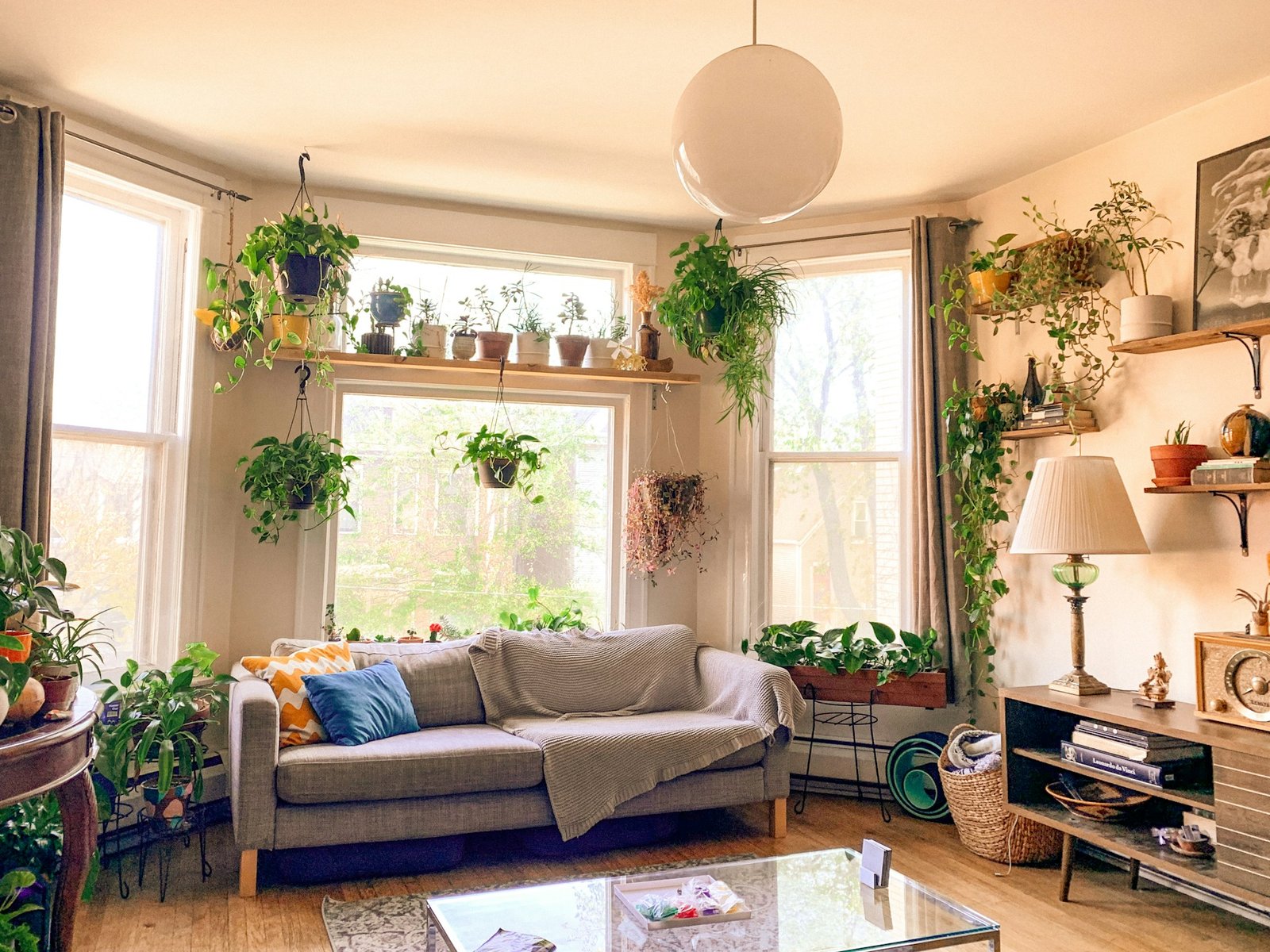
Your home does not have to be large or luxurious to feel better every day. In many cases, a series of thoughtful interior updates can improve comfort, function, and peace of mind more than one dramatic renovation.
For homeowners in Bellevue, the goal is not simply to make rooms look nicer, but to make them work better for the people using them. When spaces flow naturally, storage is easy to use, lighting supports daily tasks, and comfort is built into the design, everyday life becomes noticeably easier.
Why layout matters
Layout affects nearly everything in a home. It shapes how you move from room to room, how easily you complete daily tasks, and whether a space feels calm or frustrating. If you are always walking around furniture, squeezing through tight corners, or searching for a place to drop bags, shoes, or mail, the layout may be working against you.
A strong layout creates flow, and flow makes a home feel more organized and less stressful. The path from kitchen to dining area should feel natural. In family homes, a cook should be able to keep an eye on children without constantly shifting position. Morning routines also become easier when furniture and activity zones reflect how the household actually functions.
Sometimes the best improvement is not adding square footage but using the space you already have more intelligently. A chair may work better by a window than beside a hallway. A slim console near the front door can create a practical landing zone for keys, bags, and mail.
Homeowners who want expert help with these choices often consult a local Bellevue interior remodeling company to create interiors that feel more intentional and less chaotic.
Start with busy zones
If you are unsure where to begin, focus on the rooms that handle the most traffic. Kitchens, entryways, bathrooms, and living rooms usually have the biggest effect on daily life, so even modest updates there can produce meaningful results.
In kitchens, small changes often improve efficiency right away. Moving the trash closer to prep space, creating a shelf for lunch supplies, or replacing an oversized table with seating that fits the room better can reduce stress on busy evenings. These may sound like minor adjustments, but they can make cooking and cleanup feel much more manageable.
Entryways are another high-impact area. A bench, several hooks, and a tray for keys or mail can stop clutter before it spreads through the house. Bathrooms also deserve attention, especially around the sink where multiple family members often gather at once. Better storage can reduce crowding and keep essential items within reach. In living rooms, rearranging furniture can make the space more inviting for conversation, reading, relaxing, or movie nights.
Storage that feels natural
The best storage solutions are the ones people use automatically. They do not require a complicated system or constant upkeep. Instead, they place items where they are actually needed, making it easy to put things away and keep surfaces clear.
Built-in storage is especially effective because it can add capacity without making a room feel overcrowded. Shelves around a fireplace, cabinets under a window, or drawers in a hallway can all increase function while preserving openness. Bench seating with hidden storage is another smart option, offering a place to sit while concealing shoes, toys, bags, or seasonal items.
Closets are worth revisiting as well. Many can be improved dramatically with a second hanging rod, shelf dividers, baskets, or adjustable shelves. These straightforward changes can turn a frustrating closet into a dependable part of your routine.
Smaller organizational details matter too. Drawer dividers in the kitchen, pull-out bins in a bathroom vanity, and storage ottomans in a living room help keep useful items close without creating visual clutter. When storage reflects how a household truly lives, staying organized becomes much easier.
Light changes everything
Lighting can transform a room without moving a wall or buying all new furniture. Dark spaces often feel smaller, heavier, and less welcoming. Better lighting can make those same rooms feel brighter, warmer, and more functional.
Natural light should be considered first. Lighter window treatments, mirrors that reflect daylight, and furniture placement that does not block windows can brighten a room with minimal cost. Even simple adjustments can change the entire mood.
Artificial lighting matters just as much, especially when it is layered. Overhead fixtures are important, but they should not carry the whole room. Table lamps near seating, under-cabinet lighting in kitchens, and sconces in hallways or bathrooms create a softer and more flexible environment. Updating dated fixtures can also make a space feel fresher and more current. The best lighting plan supports how the room is actually used throughout the day, from morning routines to evening downtime.
Choose comfort first
A room may look beautiful, but if it is uncomfortable, it will not feel welcoming for long. Comfort should be a priority in any space used regularly by family, guests, children, pets, or people working from home.
Materials are a smart place to begin. Washable slipcovers, durable rugs, and surfaces that do not show every fingerprint or smudge can lower maintenance and make a home easier to live in. Matte finishes often hide wear better than glossy ones. In kitchens and bathrooms, textured materials can improve safety while standing up to heavy daily use.
Furniture should suit the room’s purpose as much as its style. A deep sectional may be ideal for movie nights, but not if it blocks an important walkway. A sleek desk is not useful if it creates an uncomfortable work setup. Good design balances appearance with practicality. Style helps define the mood, but comfort is what makes a room enjoyable over time.
Small details, big impact
Not every improvement requires a major remodel. Often, the details are what make a room feel polished, complete, and thoughtfully designed.
Paint is one of the simplest and most effective updates. Soft warm whites, muted greens, and gentle grays can make a room feel calmer, cleaner, and more cohesive. Hardware is another easy upgrade. Replacing knobs and pulls in a kitchen or bathroom can refresh cabinets without the cost of replacing them.
Mirrors can reflect light and make narrow or compact rooms feel larger. Trim details can give even simple spaces a more finished appearance. Soft furnishings such as curtains, pillows, throws, and textured rugs add warmth and help a home feel lived in without looking cluttered. In most homes, a restrained approach works best. A few thoughtful changes usually create a stronger result than trying to follow every trend.
