
When your home starts feeling sticky and stuffy, it can throw off your whole day. You sleep worse, get crankier, and suddenly even folding laundry feels like a full workout. The good news is that many cooling problems give you little hints before they turn into major headaches. If you know what to watch for, you can stay more comfortable, avoid surprise breakdowns, and help your AC keep doing its job without sounding like it’s auditioning for a robot movie.
Notice The Early Signs
Your AC usually doesn’t quit without a little drama first. It tends to leave clues, and catching them early can save you money and stress. One of the most common signs is weak airflow. If cool air barely trickles out of the vents, something may be clogged, blocked, or struggling.
You should also pay attention to rooms that feel uneven. If your bedroom feels like a fridge but the living room feels like toast, your system may not be cooling properly. Strange smells matter too. A musty smell can point to moisture issues, while a burning smell is never a fun surprise.
Odd noises are another red flag. Rattling, buzzing, or banging usually means something needs attention. Your AC does not need to sound like it’s carrying a toolbox down the stairs. If your energy bill jumps for no clear reason, that’s also worth noticing. Systems that work harder often cost more to run.
Know When To Call
A few simple checks at home can help, but sometimes it’s smarter to bring in a pro. If you’ve changed the filter, checked the thermostat, and made sure the vents are open, yet your house still feels warm, it may be time for expert help. Problems like refrigerant issues, frozen coils, or electrical faults are not great DIY projects for a Saturday afternoon.
That’s where HVAC troubleshooting services can make a real difference. If your system keeps short cycling, blows warm air, leaks water, or makes new noises every time it starts, a trained technician can figure out what’s wrong before it gets worse.
You don’t need to wait for a full breakdown either. Calling earlier often means a simpler repair and less sweating in your kitchen while pretending it’s “not that bad.” When your comfort keeps dropping, and your system keeps acting weird, getting help is usually the wise move.
Check The Easy Stuff
Before you assume your AC is in serious trouble, start with the basics. First, check your thermostat. It sounds obvious, but settings get bumped more often than people think. Make sure it’s on cool and set to the temperature you actually want.
Next, look at the air filter. A dirty filter can choke airflow and make your system work much harder than it should. If it looks dusty or gray, replace it. This small step can improve comfort faster than you’d expect.
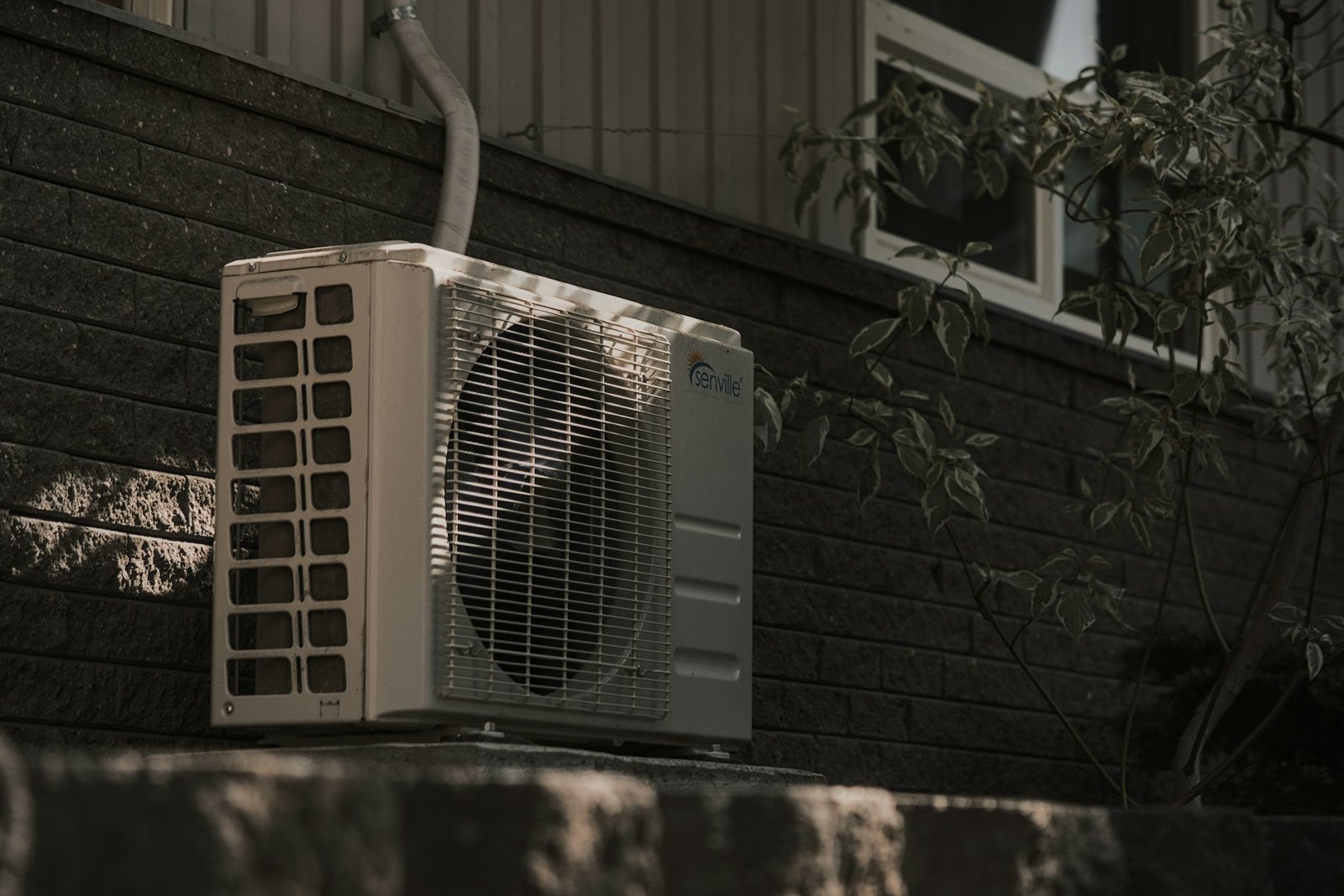
Walk through your home and check the vents too. Furniture, rugs, or curtains can block airflow without you noticing. Make sure vents are open and not covered. Then head outside and inspect the outdoor unit. Leaves, grass, and random yard debris can crowd it and reduce performance.
Give it a little breathing room. You don’t need to pressure wash it like a patio project. Just clear away obvious buildup and keep plants trimmed back. Sometimes the easy stuff really is the fix, which is great news for both your wallet and your weekend.
Avoid Common Cooling Mistakes
A lot of AC problems are made worse by everyday habits. One big mistake is setting the thermostat super low in hopes that the house will cool faster. It won’t. Your system doesn’t get extra motivated at 62 degrees. It just keeps running longer and working harder.
Another common slip is closing too many vents. People often think this pushes more cool air into certain rooms, but it can actually mess with airflow and strain the system. Skipping filter changes is another classic. It’s easy to forget, but your AC definitely remembers.
You should also avoid ignoring small warning signs because the system is still technically working. A little noise, a tiny leak, or slightly weaker airflow can turn into a bigger repair if left alone. Think of it like hearing a weird squeak in your car. You can ignore it, but that squeak may have bigger plans.
Small habits matter. Treat your cooling system a little better, and it will usually return the favor when summer turns serious.
Help Your AC Work Less
Keeping your home cool isn’t only about the AC itself. A few smart habits can reduce how hard it has to work. Start with sunlight.
Ceiling fans help too. They don’t lower the room temperature, but they make you feel cooler by moving air around. That means you may be comfortable setting the thermostat a bit higher without feeling like you’re melting into the couch.
Cooking can also heat up your home fast. On very hot days, try using the microwave, slow cooker, or outdoor grill instead of turning on the oven. It’s a small switch, but your kitchen won’t feel like a pizza shop.
Check for little drafts around doors and windows as well. Warm air sneaks in more than you’d think. Sealing those gaps can help keep cool air where it belongs. When your home holds temperature better, your AC gets a lighter workload, and you get a more comfortable space.
Build A Seasonal Routine
The easiest way to avoid summer cooling surprises is to make a simple routine and stick to it. You don’t need a giant checklist taped to the fridge. Just a few regular habits can go a long way. Change or inspect your filter every month during heavy-use seasons. It takes only a couple of minutes.
Take a quick walk around your home now and then. Notice whether vents are clear, rooms feel balanced, and the outdoor unit has space around it. Listen for new noises and pay attention to changes in airflow or humidity. These little check-ins can help you catch issues before they grow.
It also helps to schedule professional maintenance before peak summer heat arrives. That way, you’re not scrambling for help during the first brutal heat wave when everyone else is doing the same thing.
A steady routine keeps things simple. Your AC doesn’t need constant attention, but it does appreciate not being forgotten until the house feels like a sauna with throw pillows.
