
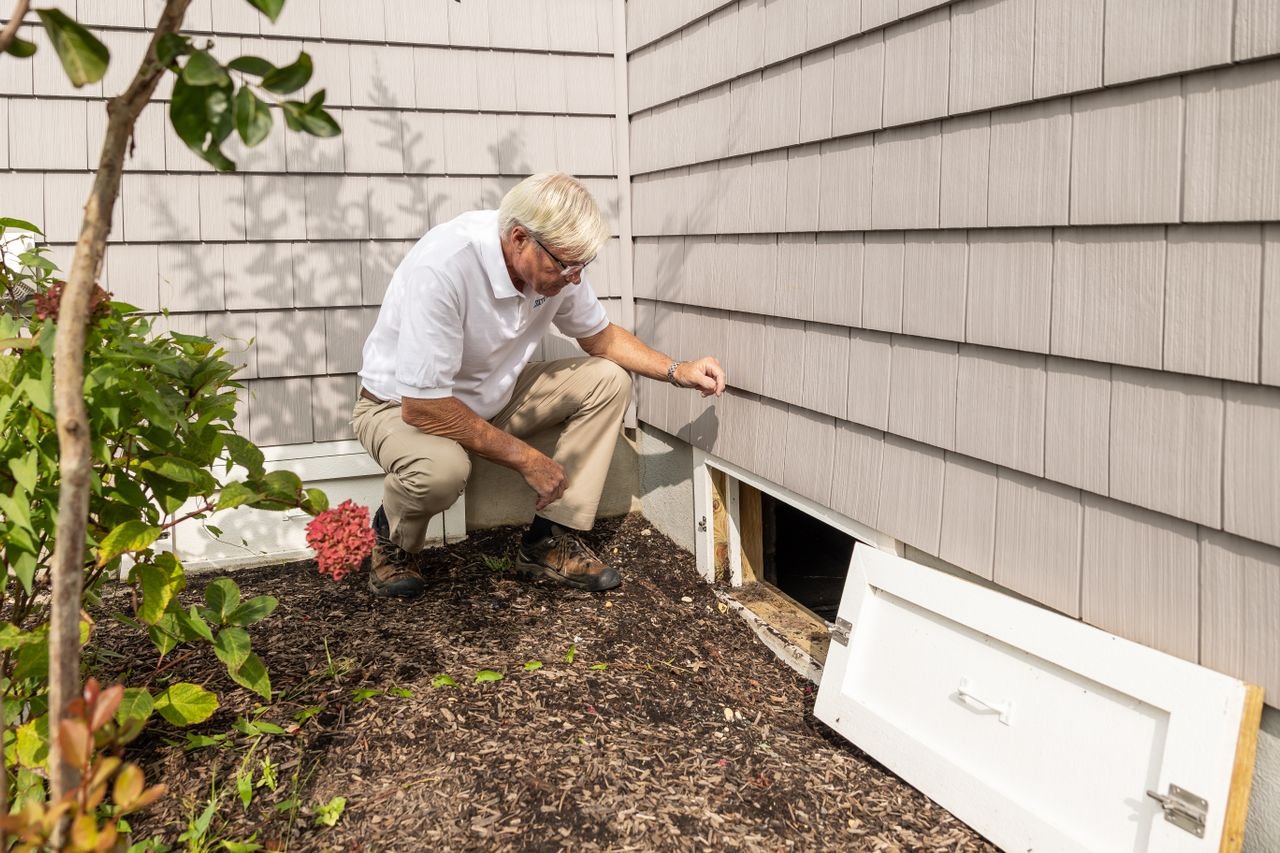
Your siding does a lot more than make your house look nice from the street. It stands outside all day, taking hits from rain, wind, heat, cold, and the occasional flying soccer ball. When it starts to wear down, the signs are often small at first. That’s why it helps to know what to watch for before a quick fix turns into a bigger bill. If you can spot the clues early, you can make smarter choices and avoid expensive surprises later.
What siding tells you
Your siding is a bit like your home’s mood ring. It gives away clues when something isn’t right. You might notice fading color, loose pieces, or spots that never seem to dry. Those don’t always mean disaster, but they do mean it’s time to pay attention.
If you keep patching the same areas or noticing outside damage after every rough season, it may help to compare a siding replacement contractor with other local repair options. That’s not about rushing into a full project. It’s about understanding what the problem actually is.
Good siding helps protect your walls, manage moisture, and support energy efficiency. When it starts failing, your house usually tells you in quiet ways first. A small clue now can save you from a giant headache later. And giant headaches are terrible home decor.
Watch for warping
Warping is one of the easiest siding problems to spot from your driveway. Look for panels that bow outward, ripple across the surface, or seem to pull away from the wall. Siding should sit flat and neat. If it looks wavy, something is off.
Heat can cause some materials to bend over time, especially on sunny sides of the house. Moisture can also sneak in behind panels and make them shift. In older homes, age alone can do the trick.
Take a slow walk around your house in daylight. Check spots near windows, roof edges, and corners. These are common trouble zones. If one section looks uneven compared with the rest, don’t brush it off.
Warping matters because it can create openings for water and pests. It can also signal that the layer underneath the siding has started to weaken. What looks like a cosmetic issue might be your home asking for backup.
Don’t ignore moisture
Water is sneaky. It doesn’t need a giant hole to cause trouble. A small gap or loose seam can be enough to let moisture settle where it shouldn’t. Then it hangs around like an unwanted houseguest.
Outside, you might see moldy patches, green streaks, or sections that stay damp longer than the rest. Inside, the signs can be even stranger. Bubbling paint, peeling wallpaper, or a musty smell near one wall can all point to moisture working its way in.
Pay attention after heavy rain. If certain areas look darker or feel damp, take note. Basements and rooms along exterior walls can reveal a lot.
Moisture issues often grow quietly. By the time damage becomes obvious, the repair can be much bigger than expected. That doesn’t mean every stain equals doom. It just means water deserves your attention. In home care, denial is not a waterproofing method.
Energy bills speak up
Sometimes your siding problem shows up on your utility bill before it shows up on the wall. If your heating or cooling costs keep climbing and your habits haven’t changed much, your exterior could be part of the reason.
Damaged or aging siding can let outside air creep in around gaps and weak points. That makes it harder for your home to hold a steady temperature. You may notice one room feels chilly in winter or oddly warm in summer, even when the thermostat says everything should be fine.
This is especially noticeable in older homes or in rooms that get strong afternoon sun. If you keep adjusting the thermostat but the comfort never quite catches up, the outside shell of the house is worth checking.
Siding alone doesn’t do all the insulating, of course. But when it’s cracked, loose, or worn out, it can make the rest of your home work harder. And your furnace or AC probably has enough drama already.
Little cracks add up
A tiny crack doesn’t look like much. It’s easy to think, “I’ll deal with that later.” The problem is that later tends to arrive with friends. Small cracks can widen, gaps can collect moisture, and little holes can become welcome mats for insects.
Storms are a common cause, but not the only one. Lawn trimmers, baseballs, ladders, and freeze-thaw cycles can all chip away at siding over time. Even repeated sun exposure can make some materials brittle.
Look closely at the lower edges of your home, around doors, and near places with lots of foot traffic or yard work. Those areas often take more wear than you’d expect.
One crack may be a simple repair. A bunch of them across different sides of the house usually tells a bigger story. When damage keeps popping up in new places, it’s smart to think beyond patchwork and ask whether the material is nearing the end of its useful life.
Repair or replace
This is the question most homeowners wrestle with. If the damage is limited to one small area and the rest of the siding is in good shape, repair often makes sense. It can buy you time and keep costs manageable.
Replacement becomes more practical when problems are widespread, moisture keeps returning, or matching the old siding is nearly impossible. If repairs are becoming a regular event, that pattern matters. Fixing the same kind of issue over and over can cost more in the long run.
Age plays a role, too. Even sturdy materials wear out eventually. If your siding is older and showing multiple symptoms at once, replacing it may offer better value than another temporary patch.
The goal isn’t to choose the biggest project. It’s to choose the option that actually solves the issue. A cheap fix that fails next season isn’t really cheap. It’s just expensive with extra steps.
Plan before problems grow
A little routine attention can go a long way. You don’t need fancy tools or a hard hat. Just walk around your home a few times a year and really look at it. Spring and fall are especially good times to check for trouble.
Keep a short list:
– Look for cracks, loose panels, and warped spots
– Check for stains, mildew, or damp areas
– Notice rooms that feel drafty or hard to cool
– Watch for peeling paint inside exterior walls
– Take photos so you can compare changes over time
It also helps to set aside a small home maintenance budget before you need it. That way, if a problem shows up, you’re not starting from scratch.
The big idea is simple. Siding problems rarely get better by being ignored. If you catch the clues early, you’ll have more options, less stress, and a better shot at keeping repair costs from climbing through the roof. Or, thankfully, through the walls.
